




UNSW researchers based at the Water Research Laboratory in Manly Vale are developing an artificial intelligence system to improve beach safety by detecting rip currents and supporting lifeguard training across Australia.
Advancing Beach Safety through AI
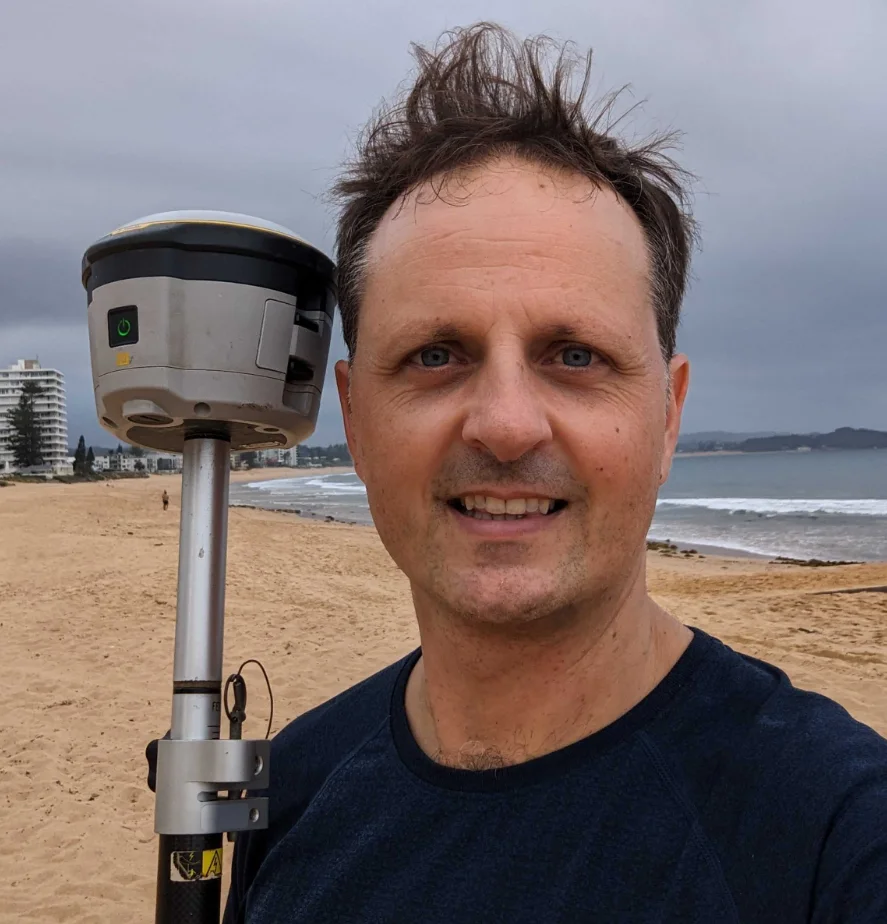
Scientia Associate Professor Mitchell Harley, an expert in coastal technology at the UNSW Water Research Laboratory (WRL) in Manly Vale, leads a team using artificial intelligence to interpret visual data and manage coastal hazards. The project, known as RipEye, applies AI algorithms to identify rip currents using smartphone and camera footage, contributing to safer conditions along Australia’s beaches.
From Community Science to Advanced Research
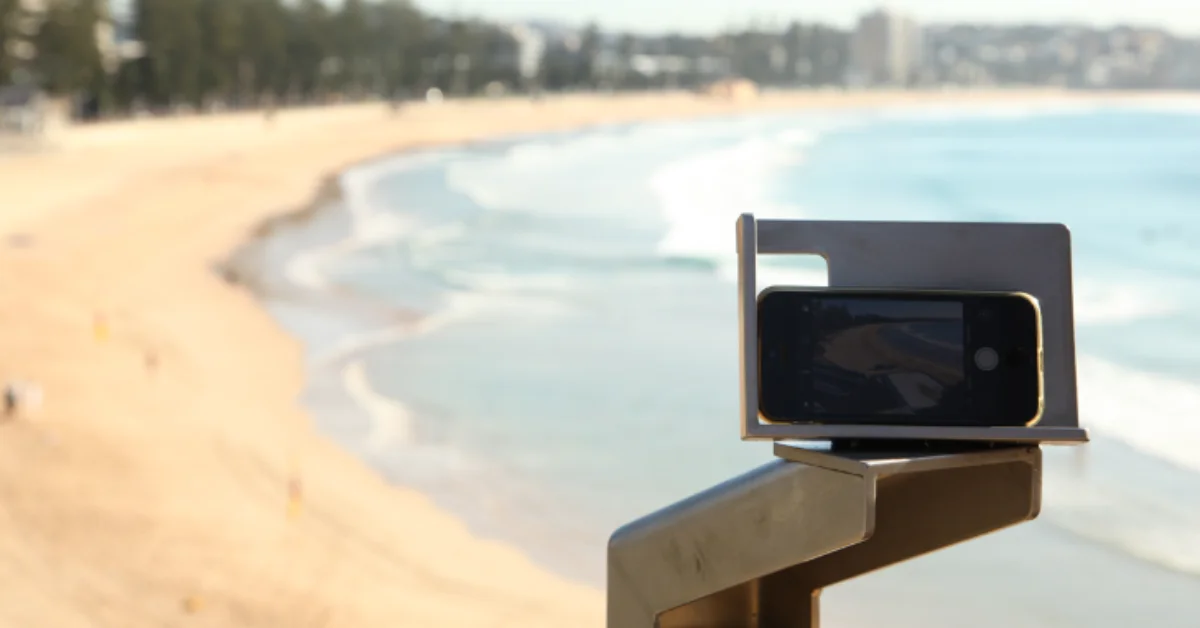
Harley first gained international recognition in 2017 through CoastSnap, a community-driven program that invites beachgoers to capture shoreline images through fixed cradles. With more than 650 stations in 37 countries, CoastSnap is the world’s largest coastal monitoring program. The challenge of manually identifying rips from vast image sets prompted the creation of RipEye.
How RipEye Works
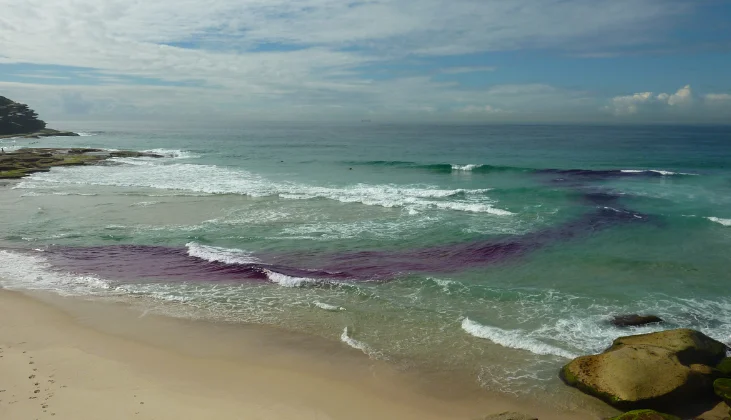
RipEye uses AI to analyse beach footage in real time. Drawing from over 25 years of coastal imagery collected at WRL, the tool learns to detect rips under varying conditions. Collaboration with UNSW experts in computer science, population health, and environmental science has been key to improving the technology.
Initial results show about 80 per cent accuracy in rip detection — higher than the 50 per cent achieved by trained human observers. Researchers continue refining the system to better identify short-lived “flash rips”.
Partnership with Surf Life Saving Australia
UNSW has partnered with Surf Life Saving Australia (SLSA) to test RipEye in controlled environments and use it in lifeguard training. The project supports SLSA’s goal of reducing drowning deaths by 50 per cent by 2030.
The team aims for RipEye to eventually be accessible to the public through smartphones, allowing beachgoers to identify safer swimming spots on unpatrolled beaches across the coast.
UNSW’s Broader Research Commitment
Harley’s research reflects UNSW’s broader focus on applying science and innovation for community benefit. Projects like RipEye and CoastSnap demonstrate the university’s commitment to using technology to address real-world safety and environmental challenges.
Published 3-Oct-2025