




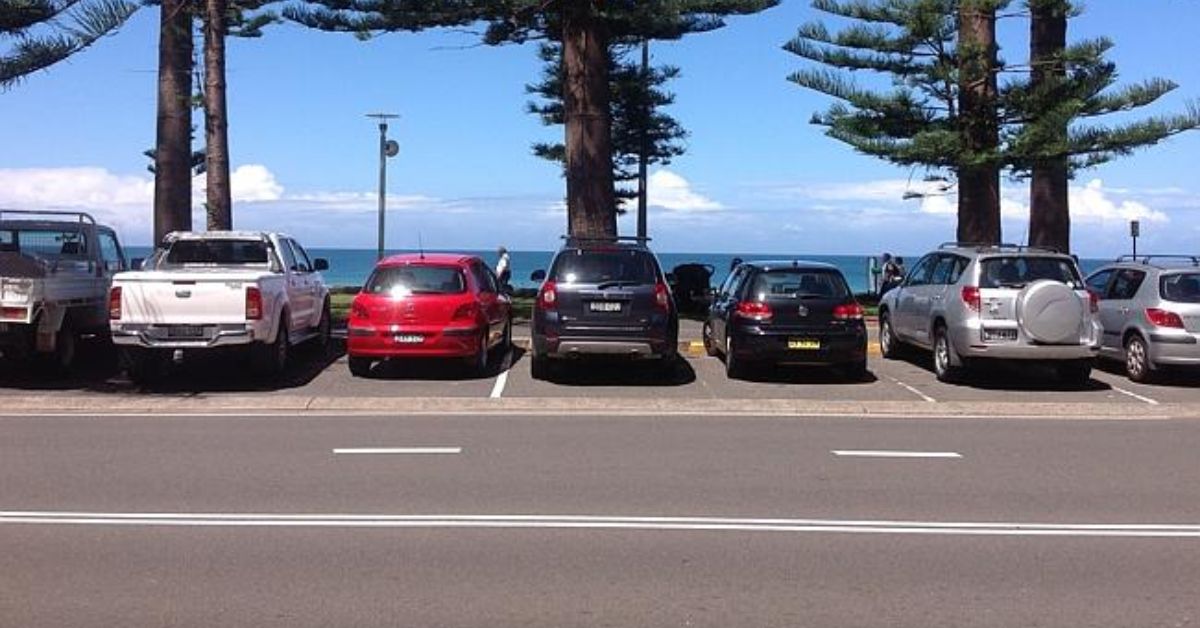
The Manly Parking Permit Scheme shifted online in March 2026, ditching physical window stickers for digital permits linked straight to vehicle regos. But while updating standard residential permits has been relatively straightforward, a major shake-up to multi-use permits has caught plenty of local households completely off guard.
The residential permit change itself is relatively straightforward for most households: two permits per property, linked to specific vehicles, managed online through a vPermit account. The permits are valid for 365 days from the date of application, and existing permit holders are being given advance notice as their current physical permits expire before transitioning to digital.
The friction point is the multi-use permit, which works very differently now from how it used to.
The permit that changed most
Previously, the multi-use permit came in a removable sleeve that could be transferred between any vehicle at any time for any duration, with no registration attached. That flexibility made it a practical solution for households with more than two cars, or for anyone who regularly had tradespeople, carers or visitors parking on the street.
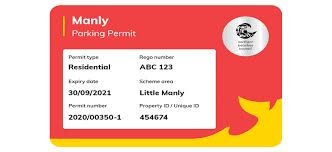
Under the digital system, each session requires the resident to register the specific vehicle online, choose a start date and time, and activate a session that expires after 24 hours. Sessions can be booked up to seven days in advance.
The first 40 sessions annually are free, with additional sessions proposed at $5 per day from 1 July 2026, subject to the annual fees and charges process.
For households where cars come and go at short notice — a son or daughter arriving unexpectedly, a last-minute tradesperson booking, a carer changing vehicles — the requirement to log in and register a plate before every session is the sticking point.
Residents have described the booking system as unworkable in practice for busy households. A parked car without a valid active session risks a fine of around $120.
What the system was designed to do
NBC has been clear about the intent behind the digital shift. The multi-use permit was never designed as a de facto third permit for a third car. It was intended to provide parking options for visitors, tradespeople and carers, and the 40-session cap reflects that intended use rather than long-term residential parking.
The move to digital also addresses a practical problem at the beachside end of the Northern Beaches permit system: a secondary market for physical beach parking stickers, sometimes advertised online as a “pen” on platforms like Facebook Marketplace, in which residents with surplus stickers sold them on. Digital permits tied to specific registrations make that kind of resale impossible.
The broader digital rollout is hitting the area in stages. While the vPermit system was announced back in 2025, it only recently went live in parts of Manly.
Meanwhile, the general 2026 Beach Parking Permits are still arriving in letterboxes as physical stickers, meaning the secondary black market for them won’t be completely wiped out until those schemes transition later down the track.
Options for households with three vehicles
The standard Manly scheme limits each property to two site-specific residential permits. The first costs $55 annually and the second $121. Households with a genuine need for a third permit do have an avenue, though it is not straightforward.
It has been confirmed that extenuating circumstances will continue to be considered on a case-by-case basis. “This may include larger households where planning controls restrict the provision of off-street parking,” a spokesperson said.
A third residential parking permit in such circumstances costs $306 annually. Special issue permits remain available upon request for charities, schools, volunteers and not-for-profit organisations.
Residents with questions about the digital permit transition can call NBC’s customer service team on 1300 434 434, visit the Manly Customer Service Centre at Manly Town Hall, 1 Belgrave Street, or access the vPermit system here.
Published 7-June-2026