




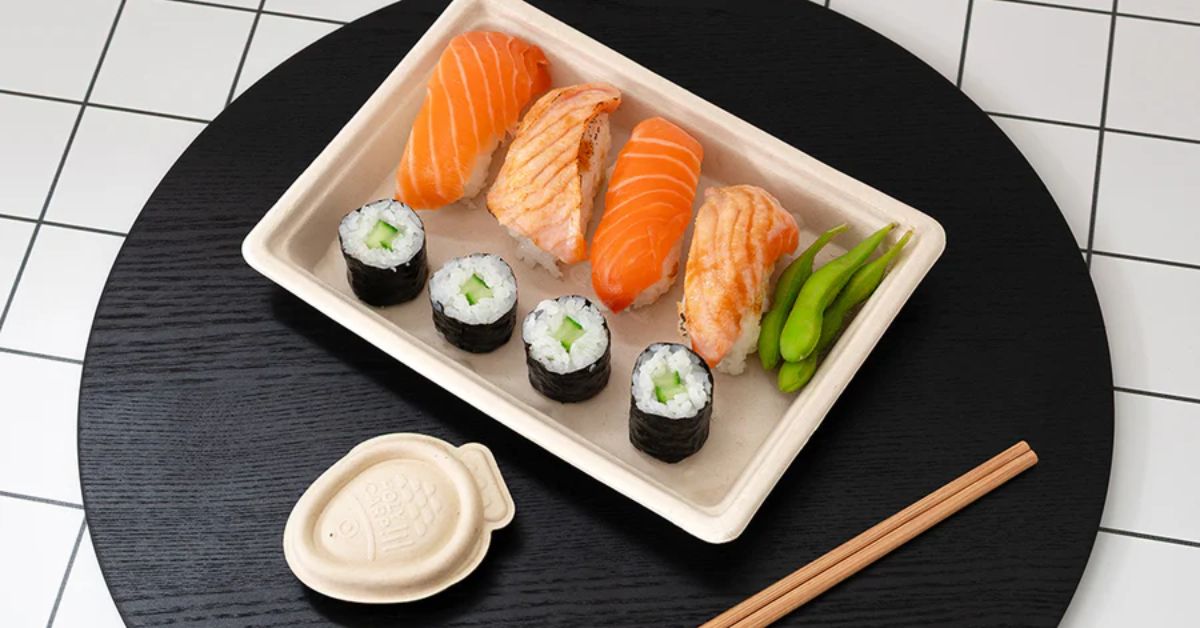
Four Manly sushi restaurants have stopped handing out plastic soy sauce fish with takeaway orders, replacing them with a compostable alternative made from sugarcane pulp — the first coordinated precinct-wide move of its kind in New South Wales.
The campaign is called Soy Long to Plastic Soy Fish, and it launched on 1 July as part of Plastic Free July, the global movement encouraging communities to cut single-use plastic waste throughout the month.
A tiny plastic fish with a big environmental footprint
The fish-shaped soy sauce dropper — known in Japan as Shoyu tai, or Soy Bream — was invented in the 1950s and has since become one of the most recognisable pieces of food packaging in the world.
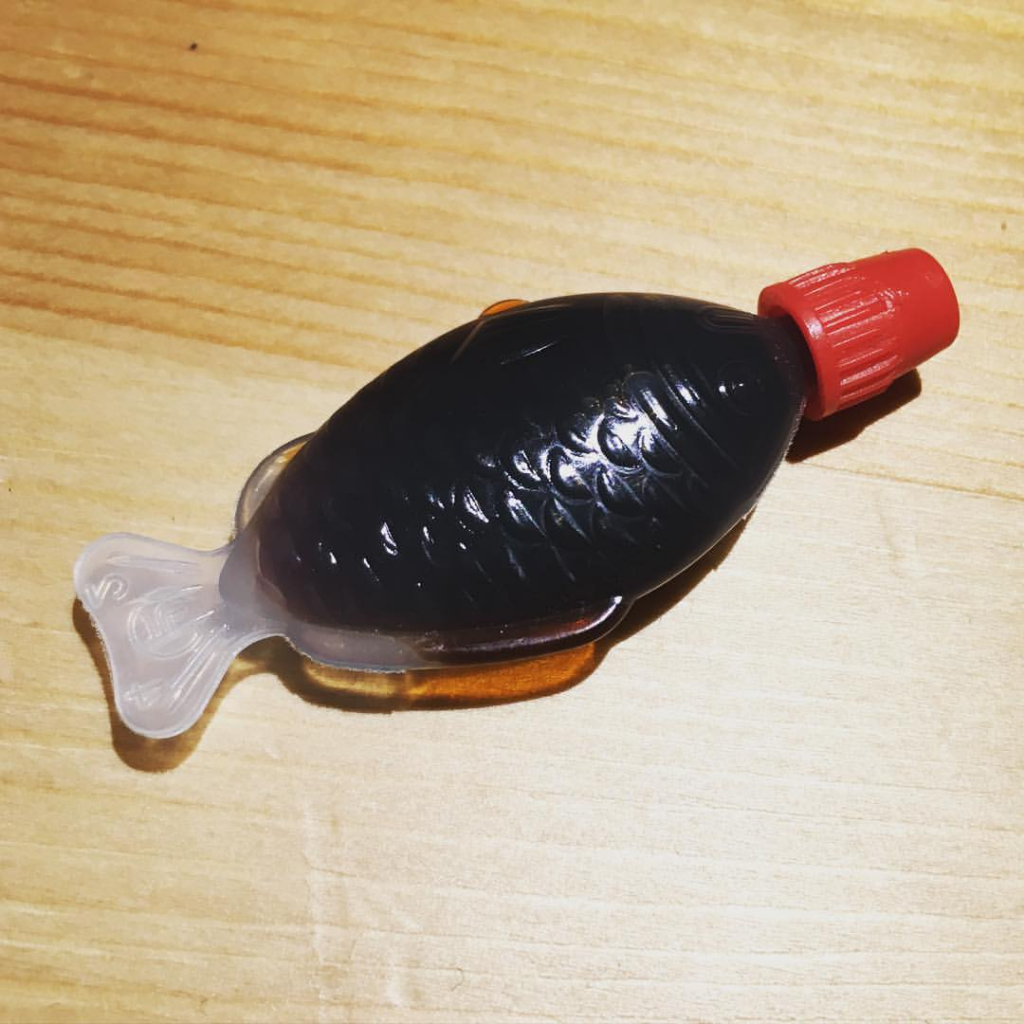
Heliograf estimates that between 8 and 12 billion have been used since their invention.
Because they are too small to be captured by standard recycling systems, virtually all of them end up in landfill, on footpaths or in the ocean. There they break down into microplastics, entering the food chain and harming marine and birdlife.
Surfrider Foundation Northern Beaches program manager Jude Furniss said the little fish were a constant presence at beach cleans. “They’re a perfect example of unnecessary single-use plastic,” Furniss said. “By working with local retailers to remove them at the source, we’re preventing thousands of pieces of microplastic pollution before they ever reach the ocean.”
Manly Beach sees an estimated 10,000 plastic soy fish used each week across its food outlets, many blowing away and washing into storm drains before they ever make it to a bin.
The compostable alternative
The four participating Manly outlets — Sushi Hub, Rice and Nori, Sushi Plus and Get Sashimi Manly — are now using Holy Carp!, designed by Sydney studio Heliograf in collaboration with Vert Design.
Each dropper is made from bagasse pulp, the fibrous residue left after sugarcane is processed for sugar, combined with a food-safe wax that eliminates the need for any internal plastic or PFAS-based lining.
Unlike plastic soy fish, which are factory-filled and shipped from overseas, Holy Carp! droppers are filled fresh in-store. Each holds up to 12ml of sauce with internal fill lines for a half or full serve, stays leak-resistant for 48 hours, and breaks down in a home compost bin within a few weeks.
Heliograf co-founder Angus Ware said the design goal was not to replace the soy fish but to evolve it. “Holy Carp was created to solve a problem hiding in plain sight. Those tiny plastic soy fish are used for seconds but pollute our environment for decades,” Ware said. “Manly’s retailers are proving that better design and better choices can make a huge difference.”
Driving the change
The Manly campaign follows South Australia’s decision in September 2025 to become the first Australian state to ban plastic soy sauce fish outright. NSW has indicated it will phase them out by 2030, but the Manly businesses chose not to wait.
Seven-time world surfing champion Layne Beachley, who is an ambassador for the initiative, said protecting the beaches starts with everyday choices. “We can’t afford to wait until 2030 to do the right thing,” Beachley said.
Sushi Hub franchisee Elaine Lou said she was proud to operate at Manly Wharf and work toward keeping plastic waste out of the ocean. Kim, the owner of Sushi Plus, said the campaign was an opportunity to shift customer habits around single-use packaging.
Heliograf has funded the removal of more than 32 tonnes of plastic through its Light Soy lamp project since 2020, with each lamp sold contributing to ocean cleanups. More information on Holy Carp! is available here.
Published 7-July-2026