




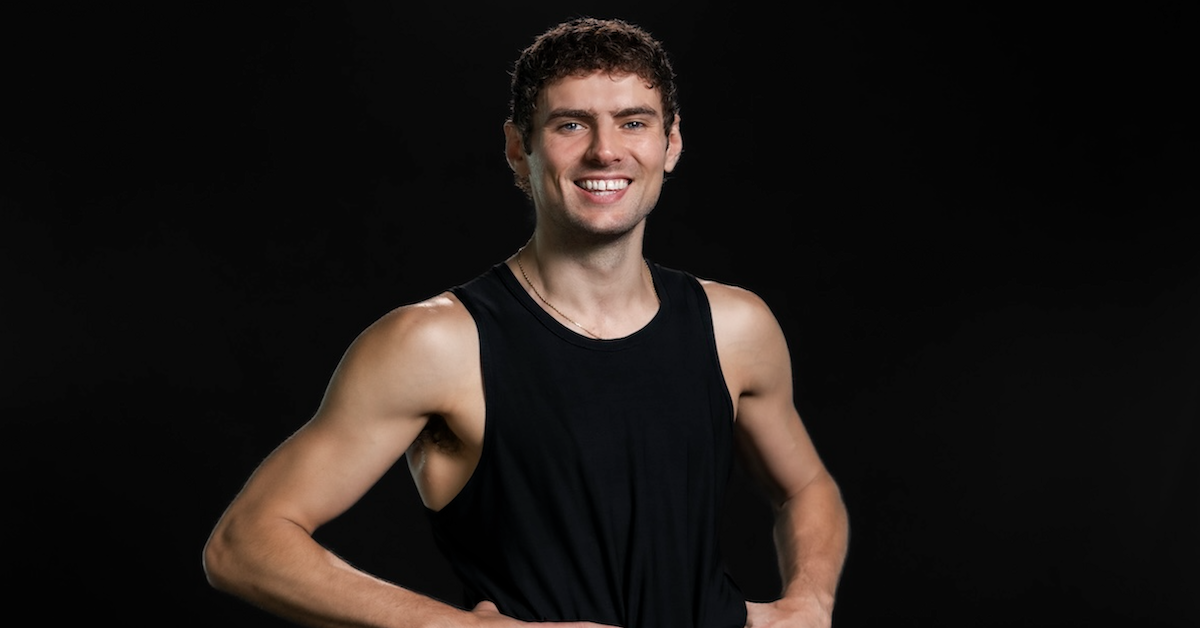
For much of his youth, Mark Brinker measured sporting progress in split times, training and sheer physical output. A competitive rower from his early teens, the Manly local built much of his identity around high-level sport.
Movement was never just exercise; it was tied to his friendships, his routine and his sense of self. Yet today, the spin instructor and Guinness World Record holder preaches a radically different gospel on fitness. It’s one rooted not simply in performance, but in adaptability, presence and individual effort.
When the body says stop
Brinker’s shift in perspective was forged through years of pain and disruption. During his final university semester, car headlights and street lamps began appearing unusually bright. Headaches followed, eventually becoming daily and accompanied by acute pain behind his eyes. Years of surgeries followed before Brinker was eventually diagnosed with keratoconus.
As his condition progressed, he became unable to maintain the active lifestyle that had anchored much of his sense of self.
“Life without athletics felt like I was walking around with an itch that needed scratching,” he said.
As physical and emotional pain intersected, Brinker struggled to adapt to a life in which movement no longer occupied the place it once had. The experience gave him a firsthand education in the hidden mental burden of chronic pain: the mental bandwidth continually consumed by monitoring symptoms, wondering whether the pain is getting better or worse, and trying to understand why.
“I wish people appreciated that it’s not just about the sensation of pain, it’s the mental real estate it takes up in addition to that. Once it starts, you have a percentage of your awareness now dedicated to monitoring the feeling, figuring out if it’s getting better or worse, figuring out why it’s getting better or worse…”
He compares it to finding a sinkhole in the middle of a living room — an unwanted presence you cannot ignore, but one you eventually learn to navigate around to keep living.
Trading metrics for presence
The path back to movement did not involve elite training programs.
In 2021, Brinker attended a spin class. The combination of music, group energy and freedom struck him immediately. The sense of collective energy echoed qualities he had valued in rowing and coaching, and he resolved to become an instructor himself. This career pivot also put Brinker at odds with the culture of constant tracking.
“I have a personal vendetta against the world of Garmins and Strava,” he said. He recalls long runs through beautiful parts of Sydney that could still leave him frustrated because he finished a split or two off his intended pace.
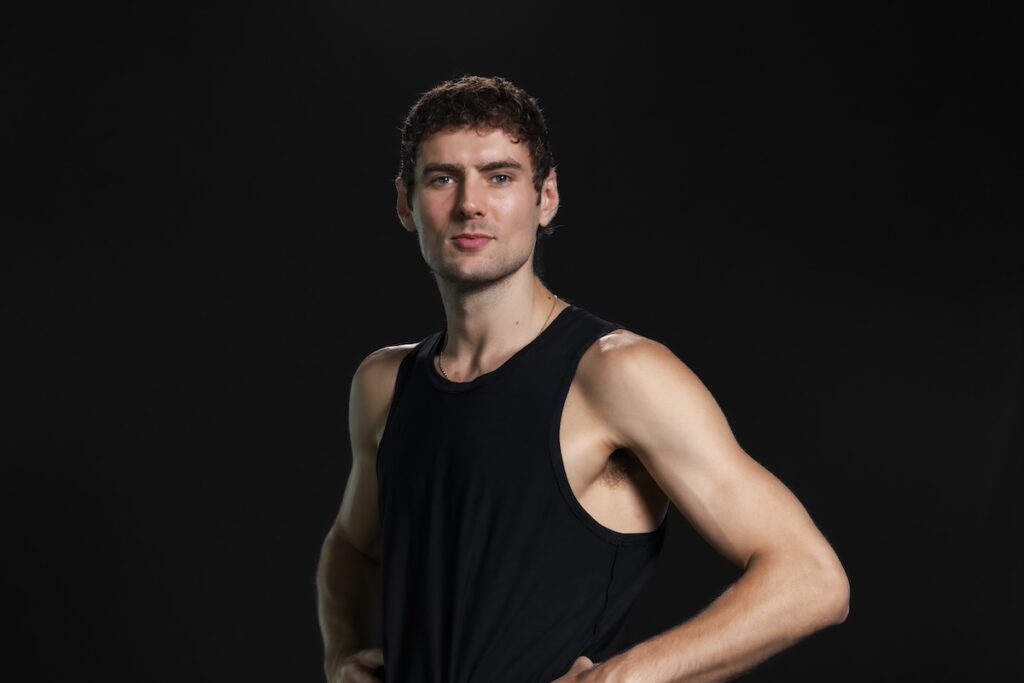
This has shaped his coaching. Rather than pushing clients towards a rigid, universal benchmark, he asks them to work to a level that feels challenging for them on that specific day, recognising that capacity can change from one person — and one session — to the next.
Finding strength in shared struggle
The philosophy was put to the ultimate test in February 2025, when Brinker teamed up with Chronic Pain Australia to set a Guinness World Record for the longest static cycling class — a gruelling 33-hour effort. Around the 22-hour mark, Brinker said he finally grasped just how long a 33-hour challenge really was.
“What got me through was the team. I understand I had the hardest job but I would say it was easier for me in many respects because I always felt less alone than each team member. They were all facing the same way, they could only really see me and their immediate neighbour, so it was easier for them to go inward, and that’s when things get dark. But I always had someone to make eye contact with, to check in on, and it was remarkable how that kept me alive.”
Brinker has also spoken about the broader message behind Chronic Pain Australia’s involvement with the 2026 Voltaren City2Surf: that pain does not have to define a person or entirely close the door on movement.
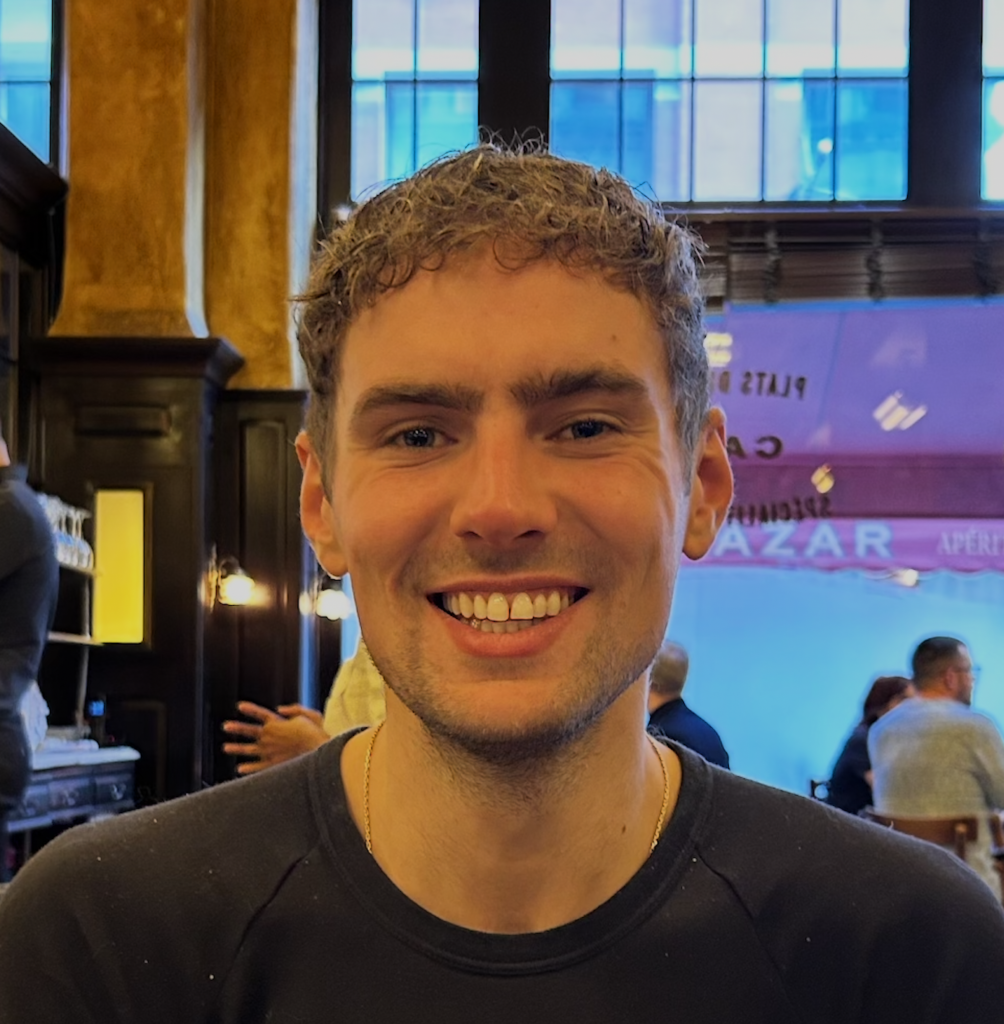
Looking back at the period when chronic pain dominated his life, he now believes much of his anxiety came from mentally trying to endure the next decade of pain all at once. He had convinced himself that his future had already been decided, rather than dealing with the moment immediately in front of him.
“I only needed to handle the small moment I was actually in, then the next one, and then the next,” he said.
Brinker’s message cuts through the noise. Fitness does not need to be an endless quest to prove what your body can endure. Sometimes, it is simply about moving in a way that works for you and helps you feel more present in your own body.
Published 18-Aug-2026