




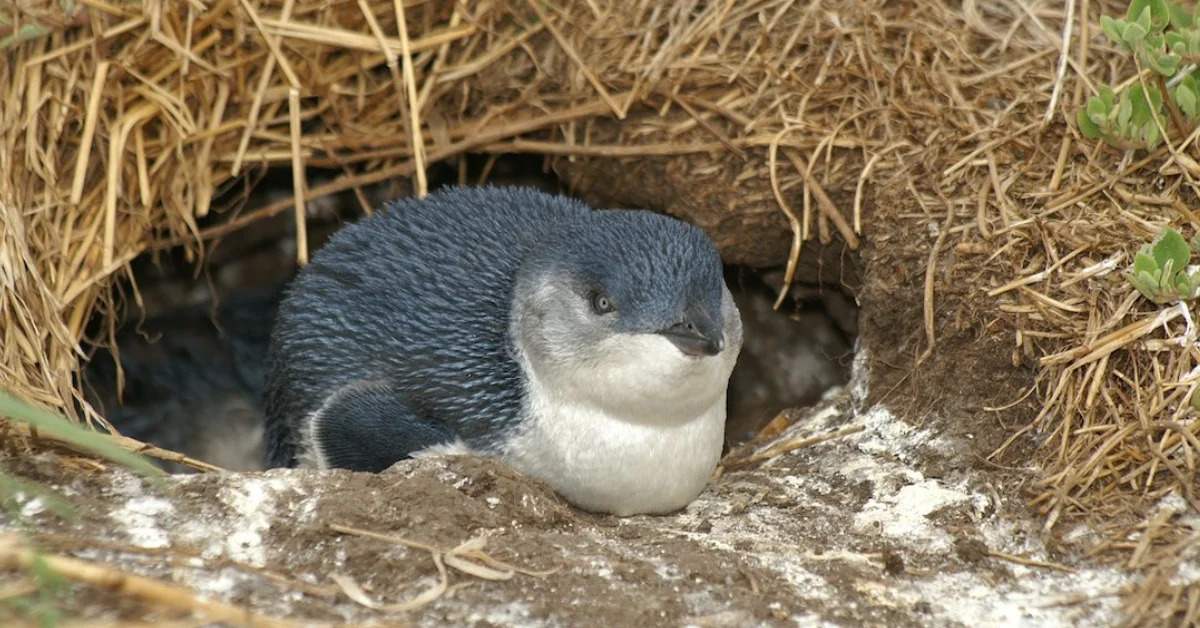
Manly’s endangered Little Penguin colony is set to receive H5 bird flu vaccinations, bringing a new measure into the ongoing local effort to protect the small mainland population.
New Protection For Manly’s Little Penguins
For the volunteer wardens who patrol Manly’s penguin breeding areas at night, protecting the colony is already a seasonal routine. The birds are monitored as they return to their burrows, breed and eventually moult and leave.
Vaccination against H5 avian influenza is now being added to those conservation efforts.
Wild Little Penguins at Manly Point have been included in a targeted vaccination program for vulnerable birds, with Taronga Conservation Society Australia working with wildlife authorities to vaccinate and monitor the population.
The vaccine requires two doses given three to four weeks apart. Taronga has already begun vaccinating trial groups of Little Penguins and other vulnerable bird species as part of the wider program.

A Colony With Just 15 Breeding Pairs
Manly is home to the only breeding colony of Little Penguins on the NSW mainland, giving the vaccination program particular local relevance.
The population was listed as endangered in 2002 and remains small. Monitoring during the 2025–26 breeding season recorded just 15 breeding pairs and 30 fledglings. The previous season also recorded 15 breeding pairs, along with 29 fledglings.
Known nests and burrows are checked between July and January, with active nests, breeding pairs, eggs and fledglings monitored as part of the colony’s ongoing management.
The birds also face other pressures around their habitat, including foxes, cats and dogs, boats, pollution, human disturbance, disease and habitat impacts.
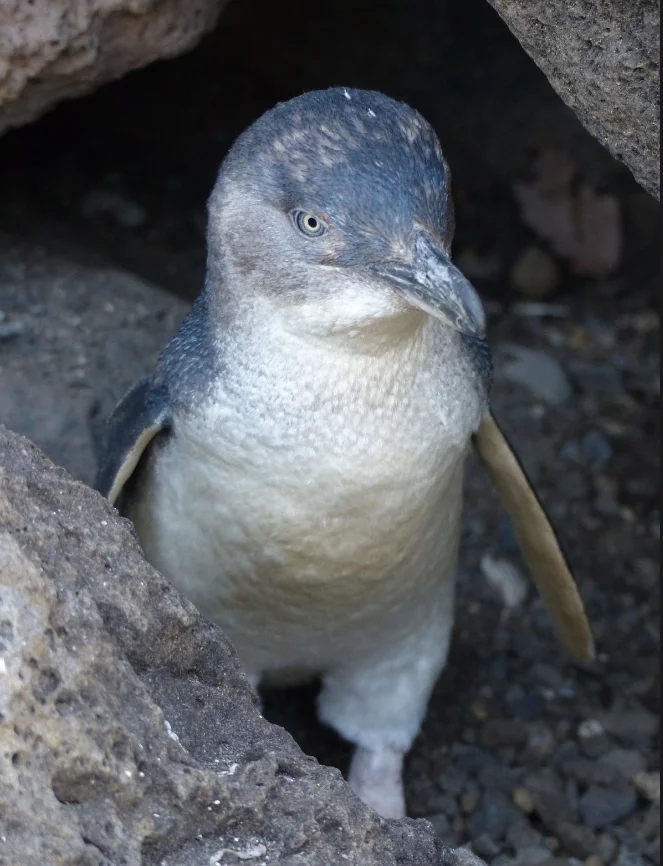
Photo Credit: Cristian Valls/Australian Museum/CC BY-SA 4.0
Local Monitoring Continues
Volunteer penguin wardens remain part of the effort, patrolling breeding areas each night from the beginning of the season until the birds complete their moult.
Northern Beaches Council has also been preparing for possible H5 bird flu impacts by identifying high-risk biodiversity areas, developing response procedures and establishing reporting arrangements.
Vaccination is being used alongside existing surveillance, biosecurity, preparedness and conservation measures rather than as a standalone response.
Residents who encounter sick or dead birds or other wildlife are advised not to touch them and to keep pets away. Suspected cases can be reported to the Emergency Animal Disease Hotline on 1800 675 888.
Published 1-September-2026