




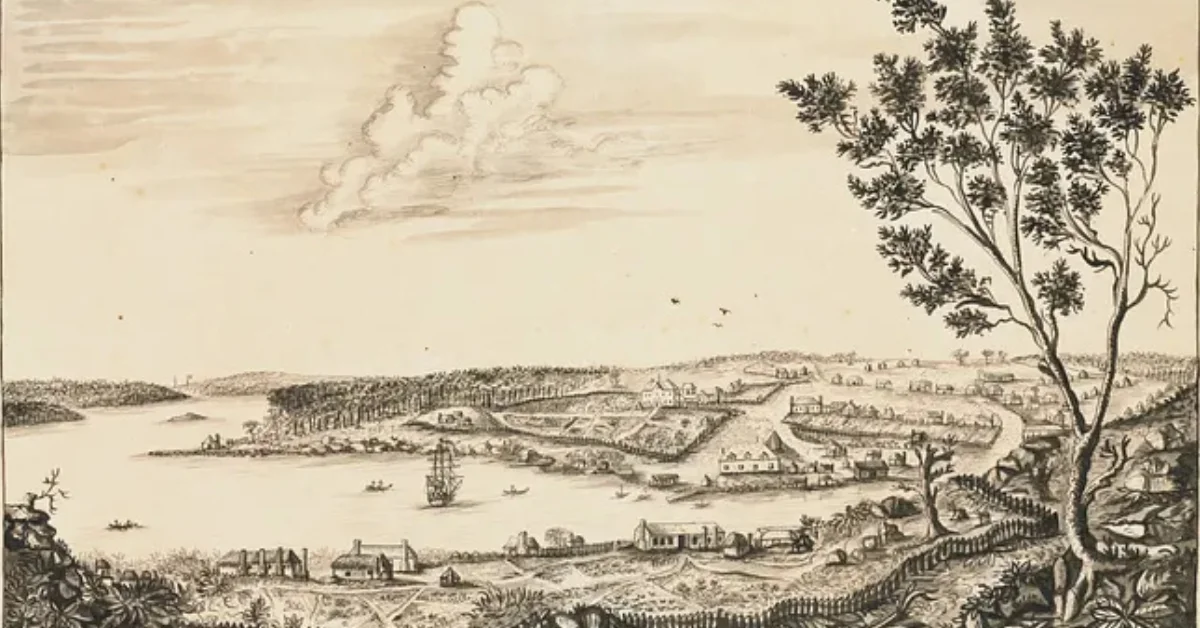
For today’s visitors, Manly is known for its beaches, ferry rides, and coastal walks. More than two centuries ago, however, the shoreline around North Head became part of the 1789 smallpox epidemic that devastated Aboriginal communities around Sydney Harbour.
Read: Manly’s Historic Kangaroo Returns With Head And Ears Restored
Historical records described British colonists encountering Aboriginal people suffering from smallpox in the area during 1789, while a new scientific study suggests the epidemic may have claimed between 40,000 and 220,000 Indigenous lives across affected parts of south-eastern Australia.
The research, published in Nature Human Behaviour, combines historical evidence with mathematical modelling to examine how the disease spread after the arrival of the First Fleet. While the findings focus on the broader epidemic, they also draw renewed attention to the experiences of the Eora people whose Country includes present day Manly and Sydney Harbour.
Manly’s Place In The 1789 Epidemic
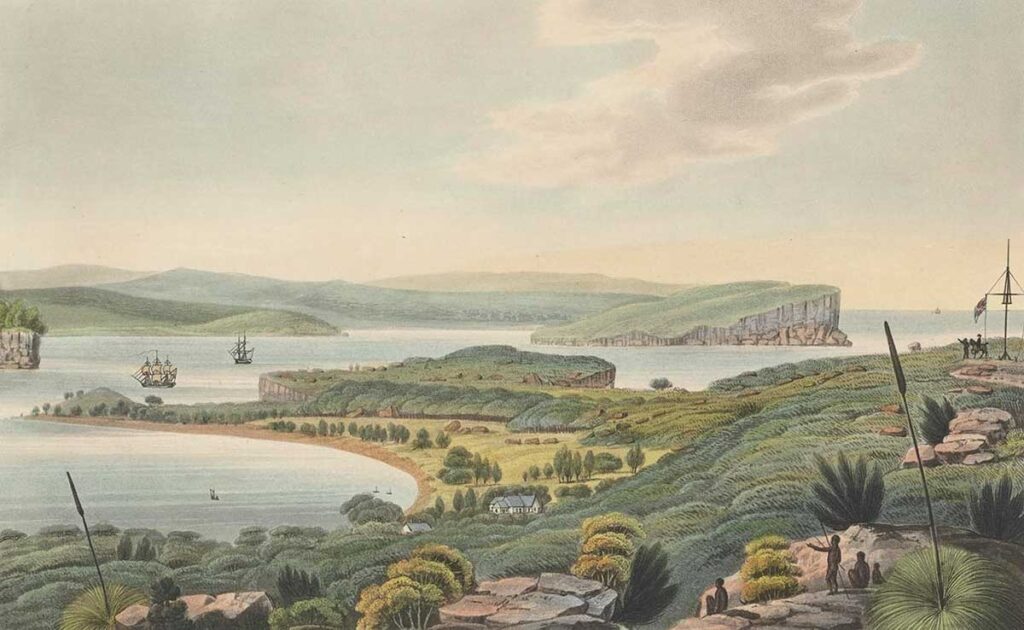
The connection between Manly and the epidemic is documented in some of the earliest colonial records.
On New Year’s Eve in 1788, British marines travelled to Manly Cove and captured Arabanoo, a Cammeray man, after luring Aboriginal people with gifts. He became the first Aboriginal person known to have lived among the British settlement and later played an important role as relations between the two groups evolved.
Several months later, smallpox began spreading through Aboriginal communities around Port Jackson.
Historical accounts describe Arabanoo accompanying British officials around the harbour after news of the outbreak emerged. According to early records, they found many people had died from the disease. Arabanoo recognised the devastating loss among his own people before helping care for surviving children who had contracted the illness. He later became infected himself and died in May 1789.
Other contemporary accounts describe British parties travelling around Manly, North Head and neighbouring parts of Sydney Harbour where they encountered abandoned camps and the bodies of people who had died during the epidemic. Bennelong later told Governor Arthur Phillip that around half of the local Aboriginal population had died.
New Modelling Examines The Epidemic’s Scale
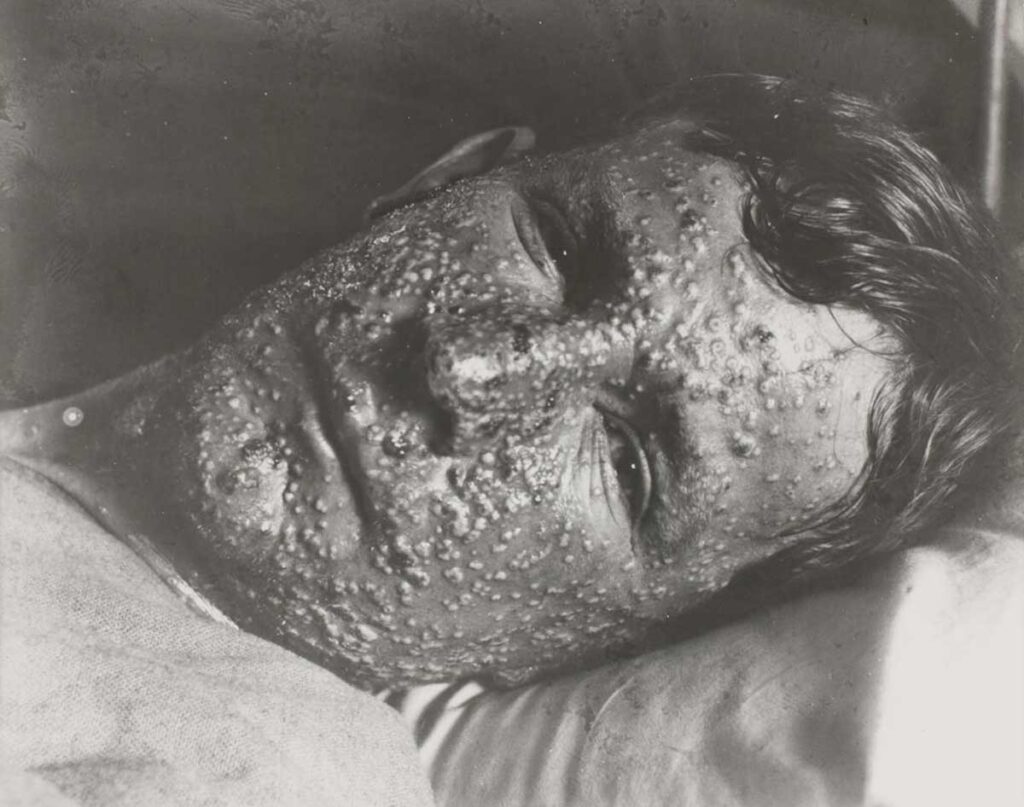
The new study, led by researchers from the ARC Centre of Excellence for Indigenous and Environmental Histories and Futures, hosted by James Cook University, sought to answer longstanding questions about how far the epidemic spread and where it most likely began.
Rather than relying solely on historical accounts, the researchers modelled the movement of people between Aboriginal communities using known travel routes, trade connections and patterns of social interaction alongside established knowledge of smallpox transmission.
Their analysis concluded that the disease was highly unlikely to have travelled from northern Australia through Makassan trading networks in time to cause the Sydney outbreak in 1789. Instead, the modelling found the evidence is most consistent with an origin linked to the British colony established by the First Fleet.
The researchers estimated that between 40,000 and 220,000 Indigenous Australians may have died across affected regions, depending on the mortality rate used in the modelling. They also found the epidemic likely spread rapidly through coastal areas and major river systems in south-eastern Australia, although it did not reach every part of the continent.
Importantly, the authors note the modelling identifies the most likely origin based on disease transmission patterns. It does not determine exactly how the virus first entered Aboriginal communities, an issue that historians continue to debate.
Read: WWI Soldiers Honoured with Official War Grave Headstones at North Head Sanctuary
A Legacy That Continues To Be Studied
The researchers say the epidemic had consequences extending far beyond the immediate loss of life. They argued that widespread deaths disrupted families, knowledge systems and cultural practices, while weakening the ability of many communities to care for Country and resist the impacts of colonisation. ‘
At the same time, First Nations collaborators involved in the project emphasised that Aboriginal communities in Sydney were not wiped out. Historical records show people returned to fishing, living around the harbour and maintaining their cultural traditions despite the devastation, with Dharawal and other Aboriginal communities continuing those connections today.
For Manly, the study provides new scientific analysis of events already documented in the area’s early colonial history. The beaches and headlands that attract visitors today were also places where some of the earliest documented encounters between colonists and Aboriginal people unfolded during one of the most significant public health disasters in Australia’s colonial past.
Published 13-July-2026