A giant heart formed by hundreds of women dressed in pink is set to take shape on Manly Beach, inspired by a local mother’s experience with breast cancer and a growing effort to raise funds for research.
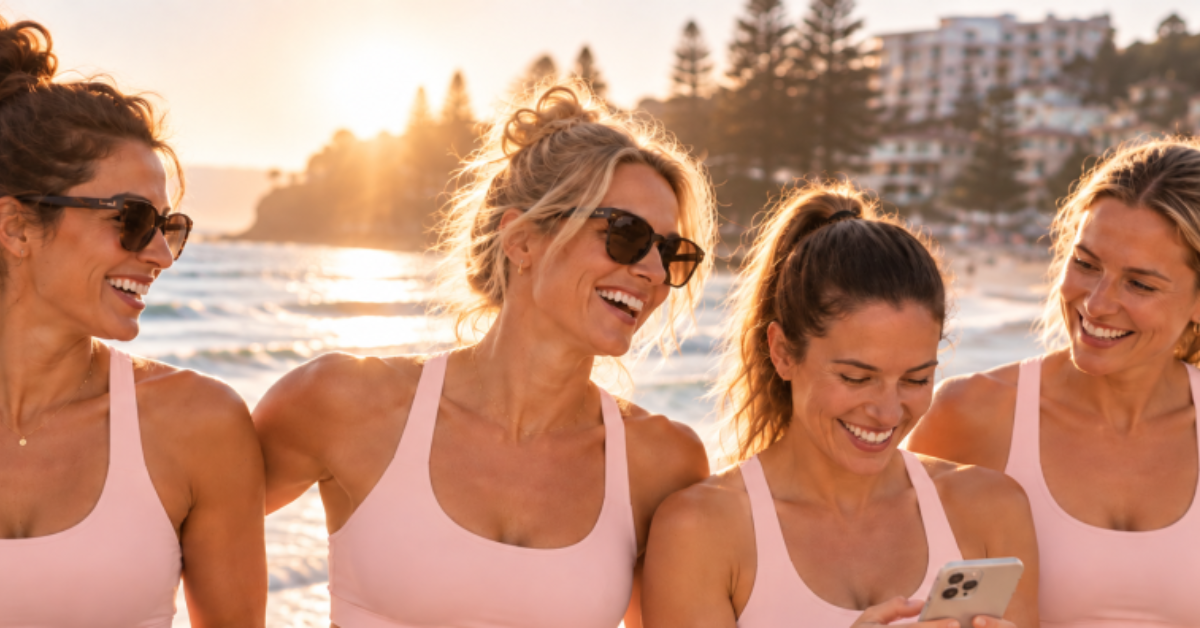
Pink With Purpose will bring women together on Saturday, 31 October, from 7:00 am to 10:00 am, with a record attempt, a beach walk and a charity auction planned in support of Breast Cancer Trials. The gathering will begin near North Steyne and Collingwood Street, where participants will assemble in matching pink sports bras to create the heart formation on the sand.
From One Mother’s Story To Hundreds Of Women
The idea behind Pink With Purpose began with Bec, a Northern Beaches mother whose breast cancer experience inspired family friend Emily White to organise a fundraising event bringing women together. White, the founder of activewear business ZYLA Active, has partnered with Zoe and Anna from Sydney-based Brain of a Dietitian to organise the gathering, with support from businesses across the Northern Beaches.
Women are being encouraged to attend with their mothers, daughters, sisters and friends, while running clubs, walking groups, swimming communities, gyms and workplaces have also been invited to participate. The organisers are inviting groups to join as Pink Crews, with the largest group set to receive a private wellness morning featuring sunrise Pilates, a wholefoods breakfast and a $30 ZYLA voucher for each member. Following the heart formation and Pink Walk along the beach, participants will gather at Bombora Pavilion for a specially prepared breakfast and live charity auction.
Local Businesses Help Bring The Fundraiser Together
The fundraising effort has attracted support from Northern Beaches businesses, with ZYLA Active donating the event’s clothing and Brain of a Dietitian providing a pink-themed breakfast featuring wholefoods and high-protein dishes. Organisers say the contributions from participating businesses and sponsors will allow 100 per cent of funds raised through ticket sales, personal fundraising, donations, goodie bags and the auction to go directly to Breast Cancer Trials.
Photo Credit: ZYLA Active
The live auction will feature prizes including a Glenayr Farm escape, an Elysium Manly experience and a six-month membership at Positive Energy Balgowlah. Get Balanced Retreats, JS Health, Laundry Lane and True Protein are among the other businesses supporting the event. Participants can also establish individual fundraising pages to collect donations beyond their ticket purchases, extending the fundraising effort to friends, relatives and colleagues who may not be attending.
General admission costs $95 and includes a pink ZYLA sports bra, a limited-edition Pink With Purpose T-shirt and the morning’s activities. A $125 ticket includes the same items, along with a choice of ZYLA shorts or leggings. Tickets and personal fundraising information are available through the Pink With Purpose website.
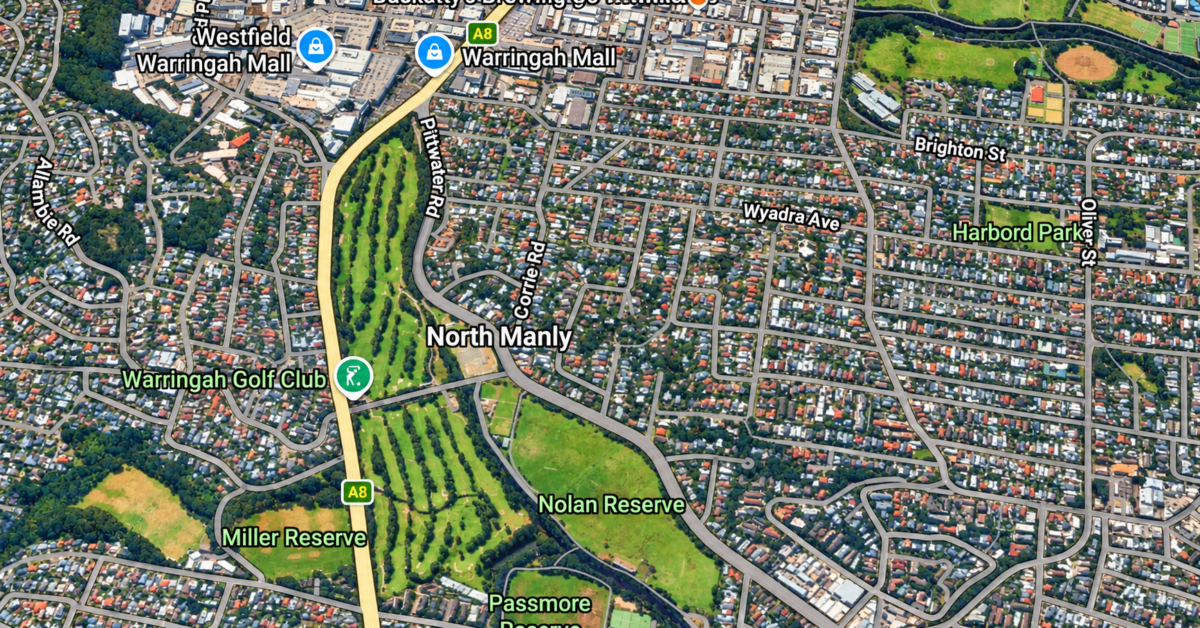
Further pavement work is planned at North Manly as transport authorities examine whether older concrete pavement along Pittwater Road requires a longer-lasting treatment.
Roads Minister Jenny Aitchison told NSW Parliament on 23 September that pavement renewal and corrective works were planned for North Manly during the 2026–27 financial year. The planned work sits alongside a broader investigation into older rigid concrete pavement on Pittwater Road.
Southern end joins wider works program
Pittwater Road forms part of the state-managed arterial network running north from the Manly area towards Mona Vale, carrying local traffic as well as buses moving through the Northern Beaches.
NSW has already completed resurfacing and corrective maintenance at several locations farther north. Structural findings from the broader investigation will help determine whether older concrete sections require grinding, stabilisation, joint repairs or more extensive replacement.
Why resurfacing may not be enough
Pittwater Road has undergone repeated maintenance, resurfacing and localised repairs, but older sections built with rigid concrete pavement pose a different engineering challenge.
Aitchison told Parliament that conventional asphalt resurfacing might not provide a lasting solution where unevenness originates in the concrete structure below. Investigations and planning for longer-term repairs have therefore begun.
Laser surveys and ground-penetrating radar have already been used to examine the pavement. Further structural testing will help determine whether individual sections need diamond grinding, smoothing, joint repairs, slab stabilisation or jacking, targeted transition treatments, or complete replacement with new concrete or asphalt.
No final treatment has yet been selected for the concrete pavement under investigation. The approach will depend on what engineers find when the structural information is assessed.
Thousands of repairs across state roads
Maintenance on the Northern Beaches road network has continued while the investigation proceeds.
Between 1 January 2025 and 22 June 2026, ConnectSydney completed 1,118 repair activities on contracted State roads within the Northern Beaches local government area, according to the minister. More than 22,000 square metres of Pittwater Road was resurfaced during the previous financial year.
Earlier parliamentary records also show that Pittwater Road has required regular attention. A NSW Government response recorded 251 maintenance activities along Pittwater Road during 2023.
ConnectSydney conducts monthly inspections, while maintenance is undertaken reactively in response to identified defects and customer reports rather than according to a fixed works schedule.
Northern Beaches Council identifies Pittwater Road between Mona Vale and Manly as a NSW Government-managed road, with the State responsible for its maintenance.
A major Northern Beaches transport route
Pittwater Road carries substantial road and public transport movements between major Northern Beaches centres.
Transport planning documents have previously put traffic volumes on sections of the corridor at about 40,000 to 60,000 vehicles a day. Pittwater Road also carries much of the B-Line route through centres including Brookvale, Dee Why, Narrabeen and Warriewood towards Mona Vale.
Regan raised the road’s uneven condition in Parliament after lobbying for longer-term improvements to Pittwater Road and the wider A8 corridor. Aitchison said the government had already begun work but acknowledged that the ageing concrete pavement required further investigation before a lasting treatment could be chosen.
No timetable for wholesale slab replacement was announced in the minister’s 23 September response. Planned resurfacing and corrective works will proceed while engineers assess which treatments are appropriate for the older concrete pavement.
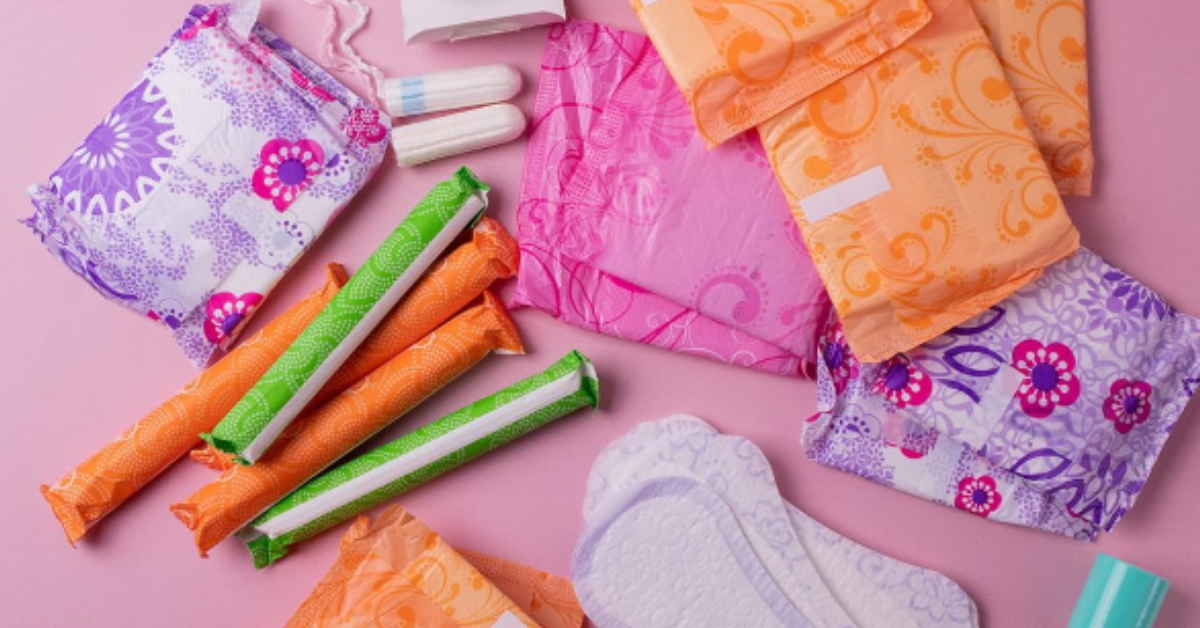
Free pads and tampons could become available in toilets and changing rooms at Manly Oval, with the sporting ground among several public facilities being considered for menstrual product dispensers across the northern beaches.
NBC is preparing a report into providing free menstrual products at libraries, comzmunity centres, swimming pools, sports grounds and surf clubs. The investigation follows a motion adopted in September 2026, although no installation sites or rollout dates have been confirmed. The proposal aims to improve access to essential hygiene products, particularly for people who unexpectedly need them while away from home or have difficulty covering their cost.
A Community Campaign For Everyday Essentials
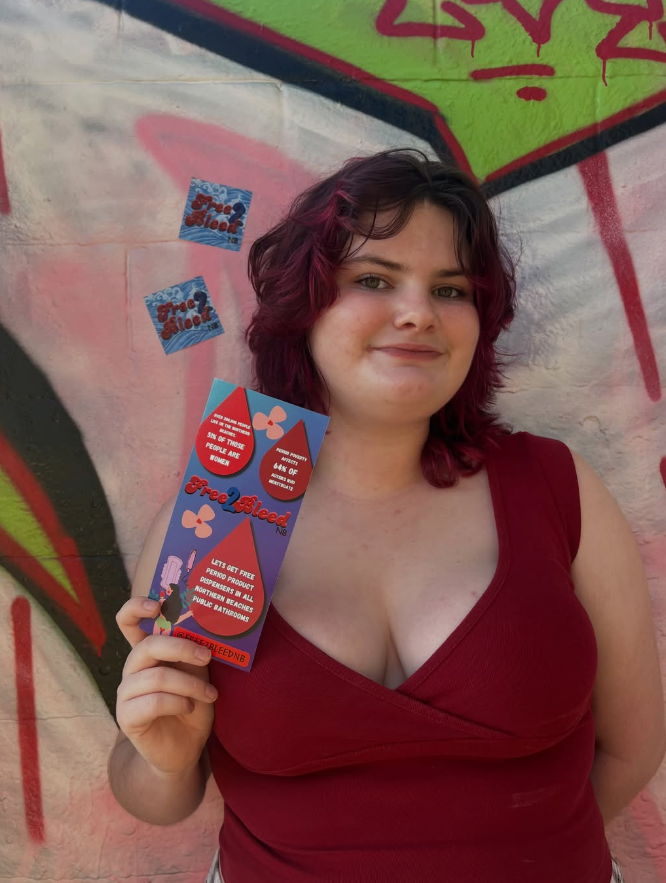
A grassroots campaign has been gathering support across the northern beaches, calling for pads and tampons to be as readily available in public bathrooms as toilet paper and soap. Kitty Taylor launched the FREE2BLEEDNB petition on 23 May 2026, seeking free menstrual product dispensers in bathrooms managed by NBC.
The petition draws attention to a common inconvenience: starting a period away from home without a pad or tampon available. It also raises concerns about the cost of essential hygiene products and the difficulties faced by people who cannot readily access them.
The campaign had collected 573 verified signatures when the petition page was recorded, with supporters working towards a target of 1,000. Taylor also encouraged people to attend a public council meeting as the proposal progressed.
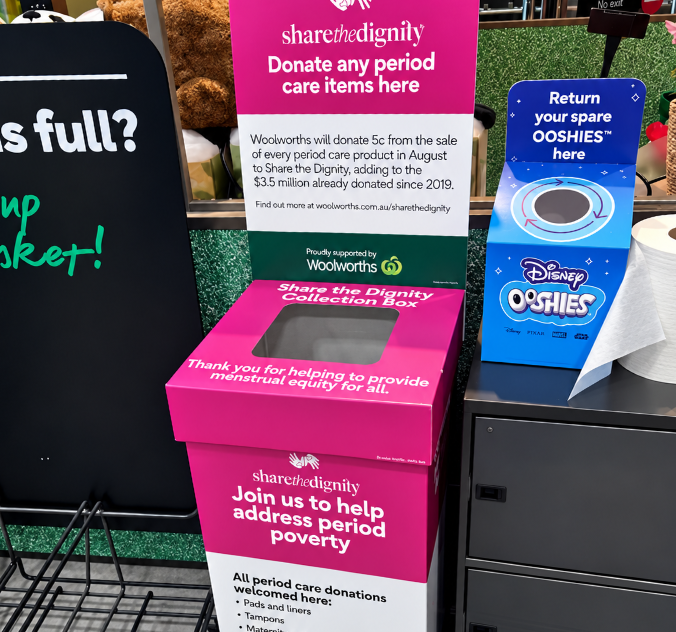
Australian menstrual health charity Share the Dignity has welcomed the investigation and confirmed it had an opportunity to present information about access to menstrual products. The organisation also acknowledged Taylor’s petition and the support behind the campaign. Share the Dignity has been advocating for improved access to free menstrual products across Australia, including through its work with local councils.
Similar facilities are already operating elsewhere in Sydney, providing examples of how menstrual products could be made available in public bathrooms. Inner West Council has installed contactless dispensers that release pads or tampons when a hand is placed near a sensor. Each machine can hold 36 pads and 50 tampons, allowing people to access products without payment.
The City of Sydney also provides free menstrual products, while NSW public schools already make sanitary products available to students. Share the Dignity operates a separate network of vending machines across the state, providing menstrual essentials at participating locations.
NBC will now examine the feasibility of introducing dispensers across its facilities. Costs, final locations and installation dates remain unconfirmed, with Manly Oval among the possible sites under consideration.
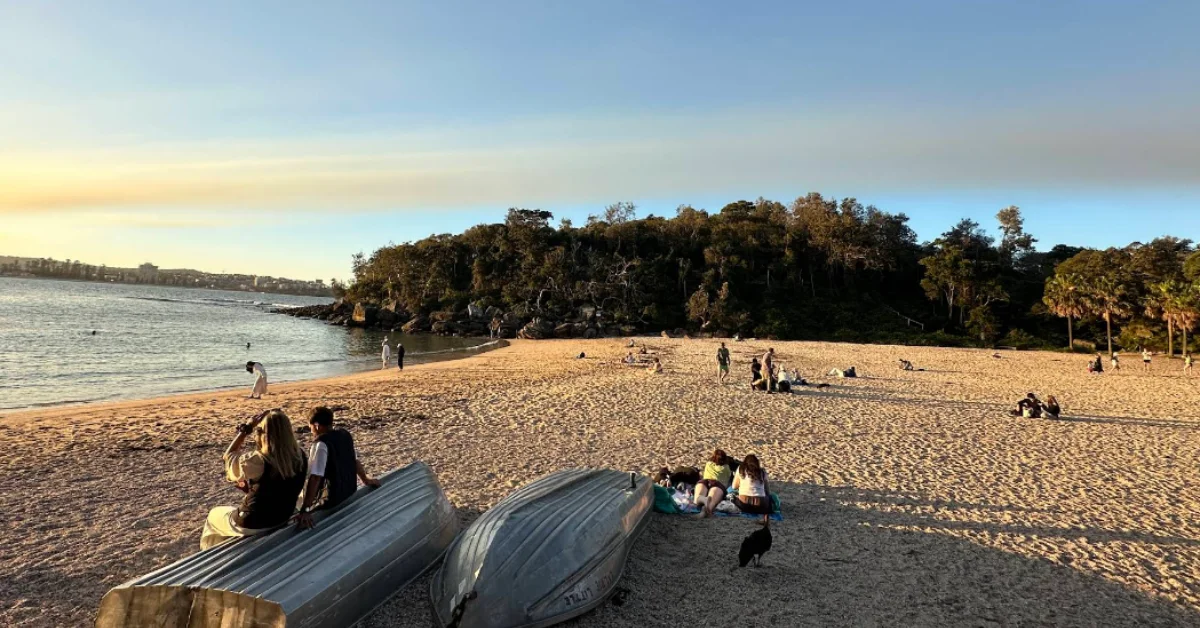
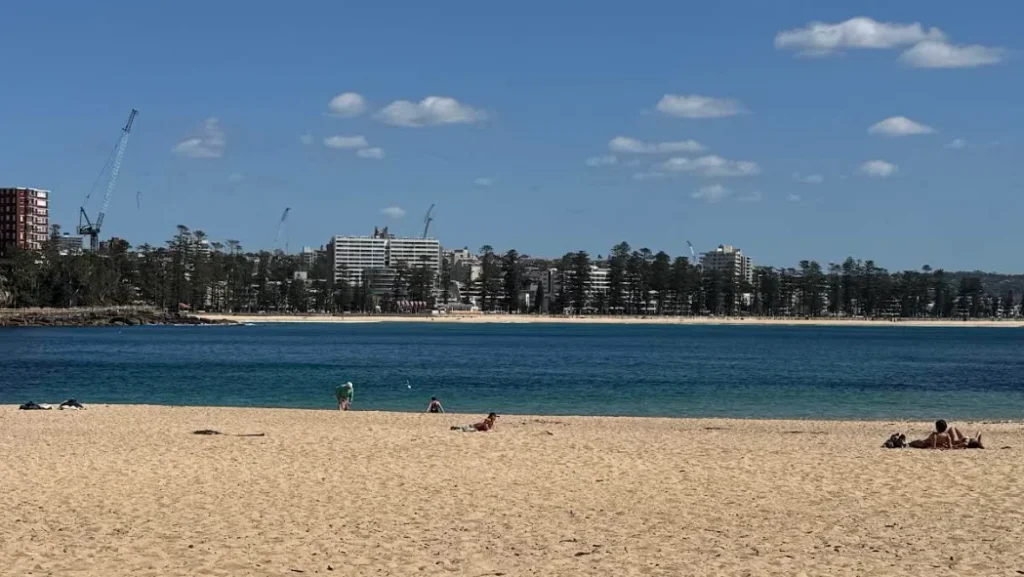
People heading to Shelly Beach over the Christmas and January holidays will have lifeguards on duty for the first time, bringing regular patrols to one of Manly’s most popular coastal spots during its busiest summer weeks.
NBC lifeguards will patrol the beach from 21 December until 31 January 2027, with the service funded through the BCC’s special variation to rates. The protected marine reserve in Cabbage Tree Bay is popular with snorkellers and scuba divers, while about one million people use the 1.5-kilometre Marine Parade promenade linking Manly and Shelly beaches each year.
Lifeguards Join An Already Busy Stretch of Coast
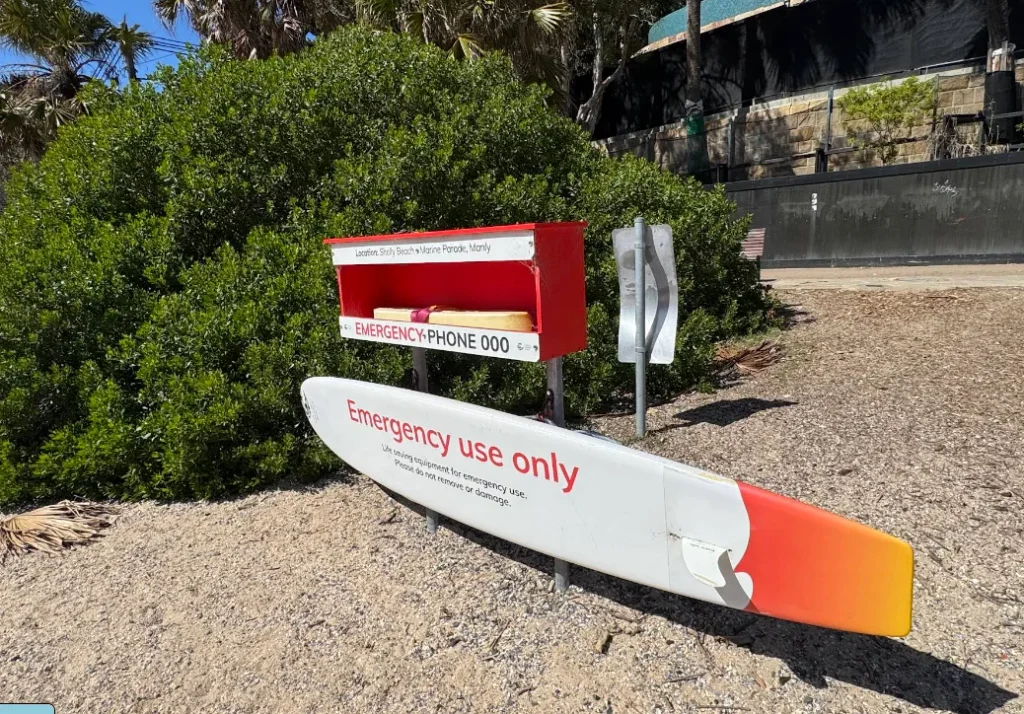
Shelly Beach has previously operated without regular lifeguard or lifesaver patrols, despite its popularity and the number of people moving between it and Manly Beach. An Emergency Response Beacon is already installed at the beach after the location was identified as high risk.
The beacon allows members of the public to contact the Surf Life Saving State Operations Centre directly in an emergency. The new summer patrol will add lifeguards on the beach itself during the peak holiday period, rather than relying solely on emergency response infrastructure.
Ms Sue Heins said the patrol would add to existing beach safety services during the busiest part of summer. BCC lifeguards will also work alongside Surf Life Saving NSW and the NSW Government’s Shark Management Program, with drone surveillance used to help identify hazards.
The wider 2026–27 patrol season is already under way across the Northern Beaches. Freshwater Beach patrols began on 29 August, other seasonal beaches returned to patrol from 26 September, while Manly and Dee Why beaches remain patrolled throughout the year.
The new patrol follows several serious incidents at and near Shelly Beach in recent years. A man in his 40s died in June 2026 after being pulled unconscious from the water while spearfishing near the beach. A person also died following a scuba diving incident at Shelly Beach in November 2024, while a 32-year-old South Korean tourist drowned there in January 2024.
Across the Northern Beaches, more than 14 million beach visits are recorded each year. BCC lifeguards carried out 960 rescues last season, provided first aid to 4,017 people and undertook more than 530,000 preventative actions.
Shelly Beach’s first patrol will run through the Christmas and January holiday rush before finishing on 31 January 2027, giving beachgoers an on-site lifeguard presence during one of the most heavily used periods of the year.
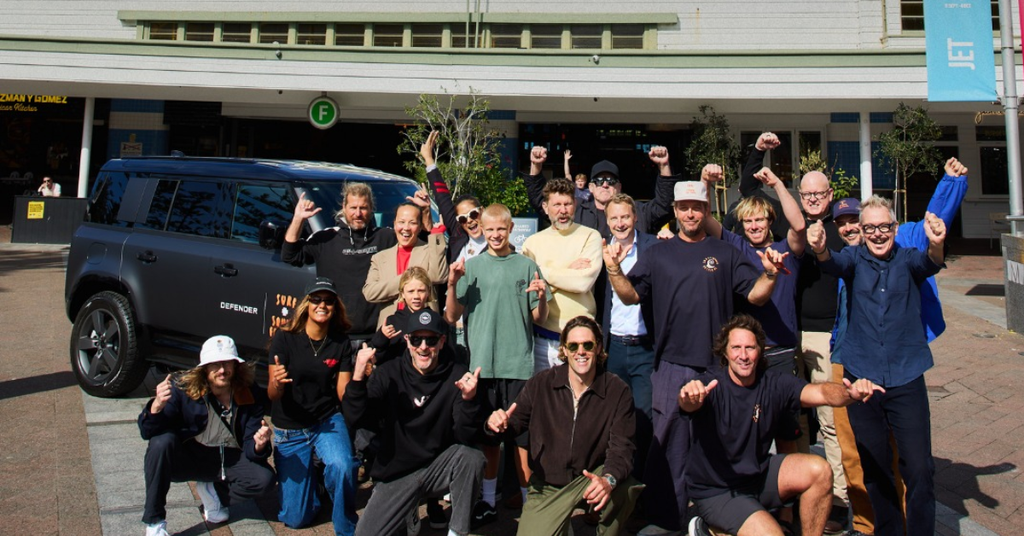
Manly is positioning itself as more than a beach destination with the launch of a newSurf + Sound Festivalcombining culture, sport and entertainment across its iconic waterfront.
For years, Manly’s busiest period has arrived with the peak summer rush. Now, attention is turning to the weeks before the traditional holiday season.
The new Surf + Sound Festival aims to bring people into the area earlier, creating activity across Manly Wharf and Manly Beach while giving residents and visitors more reasons to spend time in the suburb. Rather than focusing on a single attraction, the event combines live entertainment, sport, food and public art in an effort to showcase different sides of the community.
The festival is scheduled to run from Oct. 16 to Nov. 1, giving businesses a chance to tap into visitor spending ahead of the summer peak.
While a strong music lineup is expected to attract attention, organisers are positioning the festival as a broader celebration of Northern Beaches culture.
Acts announced for the event include Skegss, The Whitlams, Skunkhour, The Beautiful Girls, GANGgajang, Winston Surfshirt and Mudhoney. Their performances will be spread across the festival period, helping create a steady stream of activity around the waterfront and beach precinct.
Away from the stage, visitors can expect surf-focused events, family-friendly experiences and public spaces transformed through large-scale art installations.
Surfing remains central to the festival’s identity.
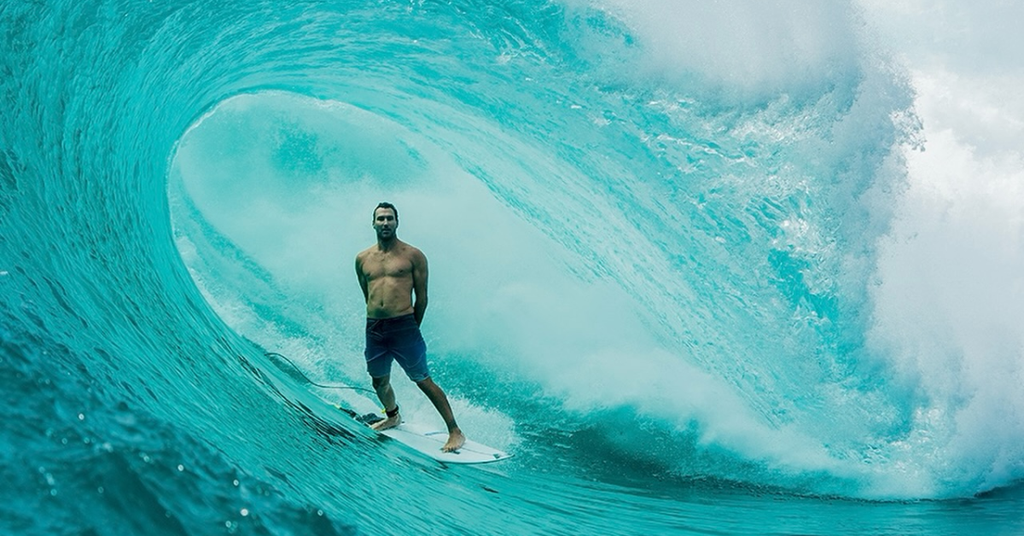
World champion surfer Joel Parkinson is set to lead surfing competitions, linking the event to one of the area’s most recognised local passions. At the same time, artist Jeremyville is curating public artworks designed to bring colour and creativity into shared spaces around Manly.
The combination reflects a deliberate effort to blend sport, culture and community rather than treating them as separate attractions. Families, artists, surfers, local residents and visitors are all being targeted as part of the festival’s audience.
The festival is being hosted by Artemus Group, which acquired Manly Wharf in 2024.
The company has indicated the event forms part of a broader push to strengthen community engagement and boost tourism in the area. For local businesses, that could mean increased foot traffic during a period that traditionally sits between winter’s slowdown and summer’s busiest months.
The real test will be whether the festival can establish itself as an annual fixture. If crowds respond, Manly could gain a new signature event that extends the economic and cultural benefits of the summer season beyond the usual calendar.
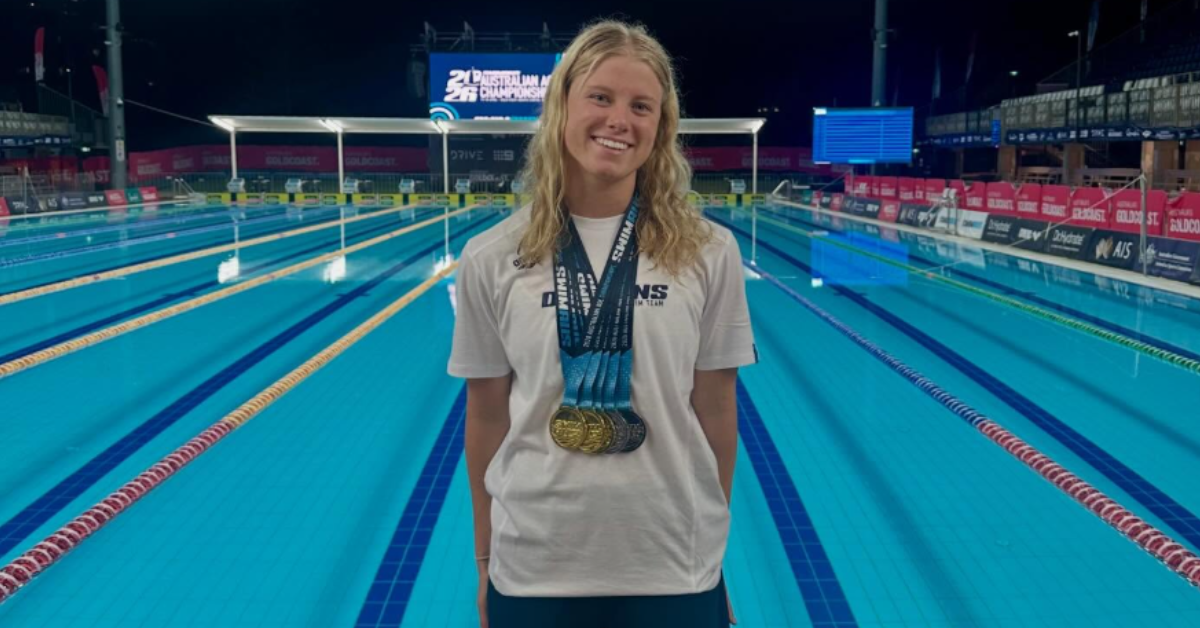
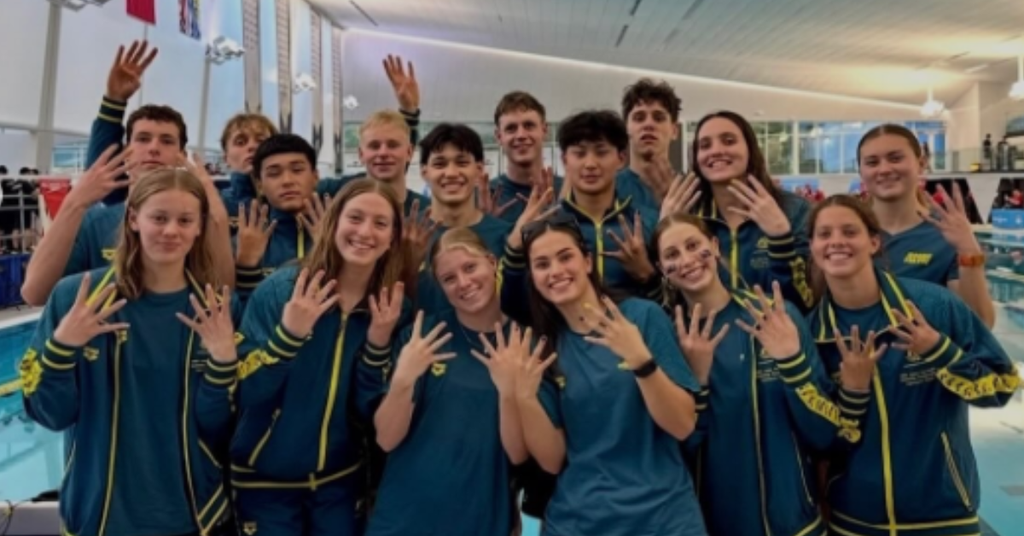
The strength of Manly’s high-performance swimming pathway was on display in Vancouver as athlete Lillie McPherson and coach Justin Rothwell both played key roles for Australia at the 2026 Junior Pan Pacific Swimming Championships.
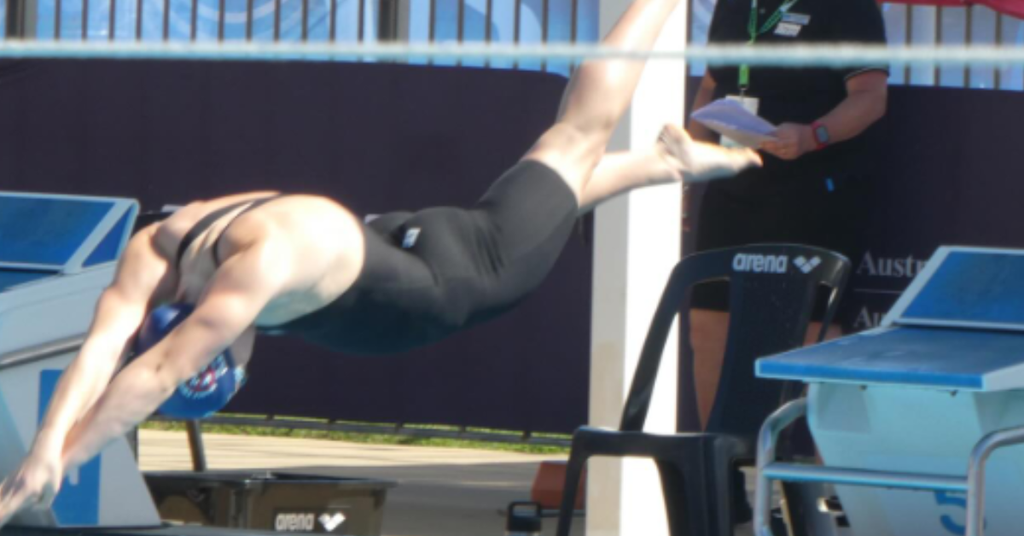
Held in Canada in August, the championships brought together many of the world’s top emerging swimmers, providing a major test for Australia’s Junior Dolphins team. McPherson rose to the challenge, helping Australia secure silver medals in the women’s 4x100m and 4x200m freestyle relays while also reaching four individual finals.
McPherson’s achievements are the latest chapter in a journey that began at the Manly Andrew ‘Boy’ Charlton Aquatic Centre, where she has trained since her early teenage years.
Competing on the international stage, she reached the finals of the 50m freestyle, 100m freestyle, 200m freestyle and 100m butterfly. Those performances came against strong opposition from swimming nations including the United States, Japan, Canada, New Zealand and Singapore.
Rather than being defined by a single race, the championships highlighted the depth of McPherson’s abilities across both freestyle and butterfly events. Her ability to qualify for multiple finals reinforced the consistency that has become a hallmark of her swimming.
The Vancouver campaign followed an outstanding year at the Australian Age Championships, where McPherson claimed gold medals in the 50m freestyle, 200m freestyle and 100m butterfly. She also earned silver medals in the 100m freestyle and 200m individual medley.
Those results secured her place on the Australian Junior Dolphins team and further established her as one of the country’s most successful age-group swimmers.
International competition is not new to McPherson. At the 2023 Commonwealth Youth Games in Trinidad and Tobago, she won silver in the 100m butterfly and added bronze medals during the meet, building valuable experience that has helped shape her progress in recent seasons.
The Manly connection extended beyond the starting blocks.
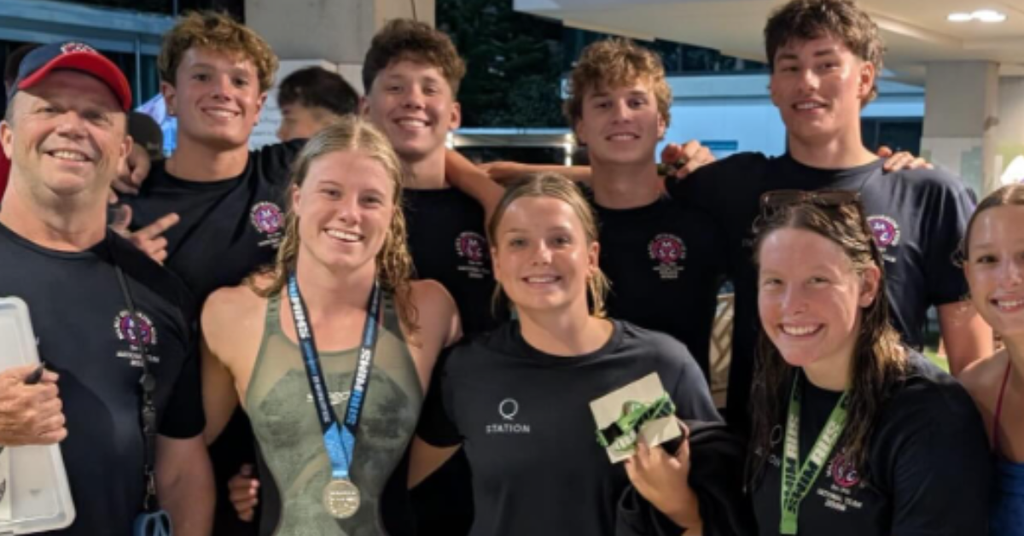
While McPherson was racing for Australia in Vancouver, Manly Andrew ‘Boy’ Charlton Aquatic Centre Head Coach Justin Rothwell was serving as one of only six coaches selected for the Australian Junior Dolphins team.
Reports from the championships indicated the Australian squad featured many athletes making their international debut. Rothwell noted that swimmers, coaches and support staff worked closely throughout the campaign and delivered strong performances against quality international opposition.
His selection, alongside McPherson’s success in the pool, highlighted the contribution Manly’s swimming community made to Australia’s junior program at the championships.
At 18, McPherson’s development continues to gather momentum.
According to publicly available swimming recruitment reports, she has committed to continue her academic and sporting career at the University of Florida in the United States, one of the leading collegiate swimming programs in the world.
The move is expected to provide another important step in her development as she pursues higher levels of international competition and works towards her long-term goal of earning selection to Australia’s senior Dolphins team.
Her achievements add to a strong period for swimmers and coaches connected to Manly programs, with local representatives continuing to leave their mark on the national and international stage.
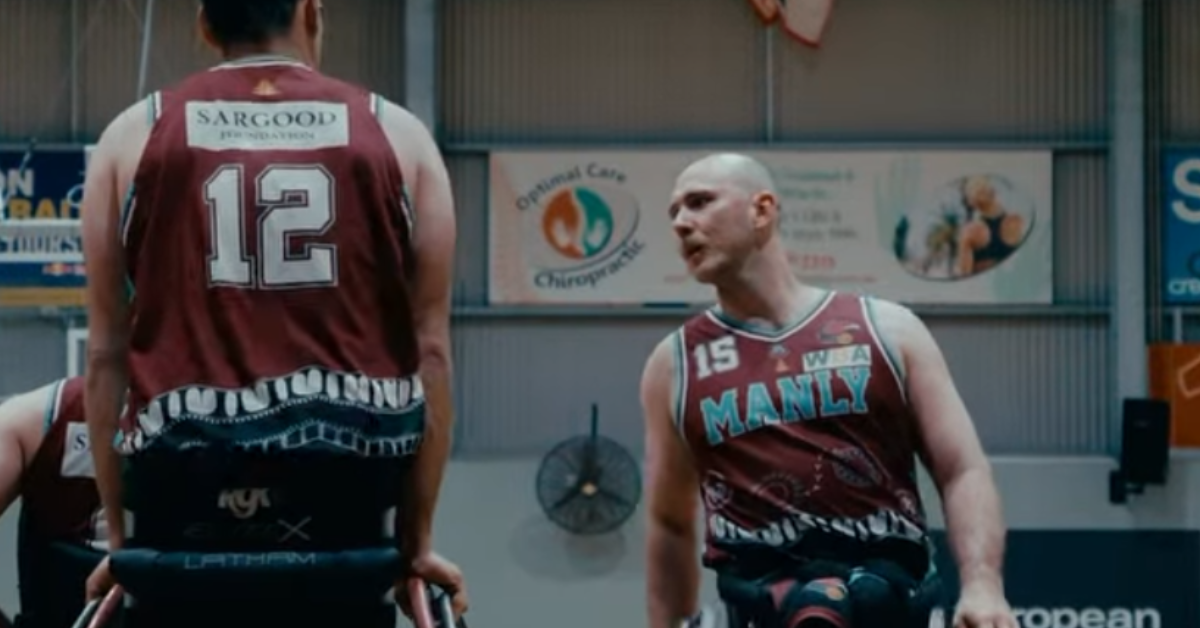
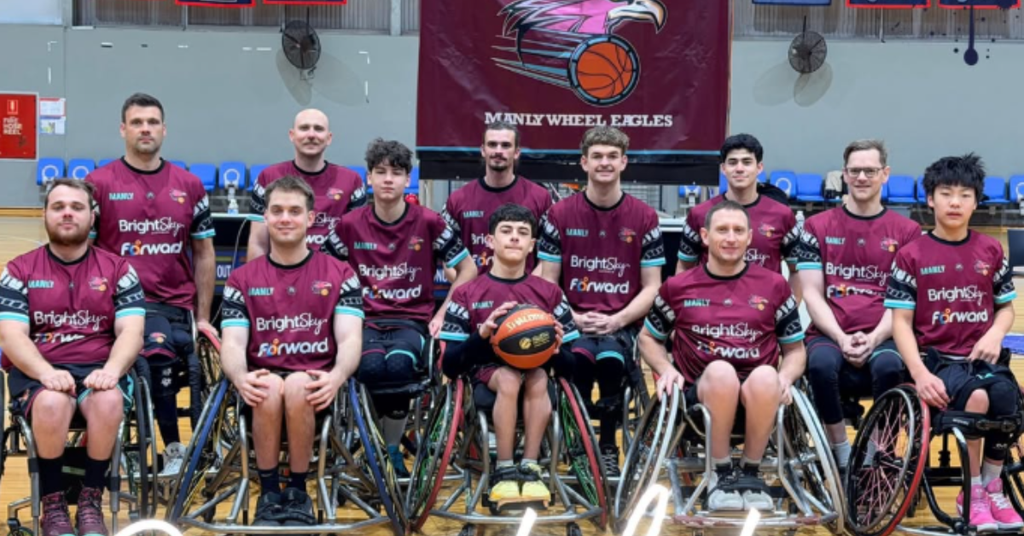
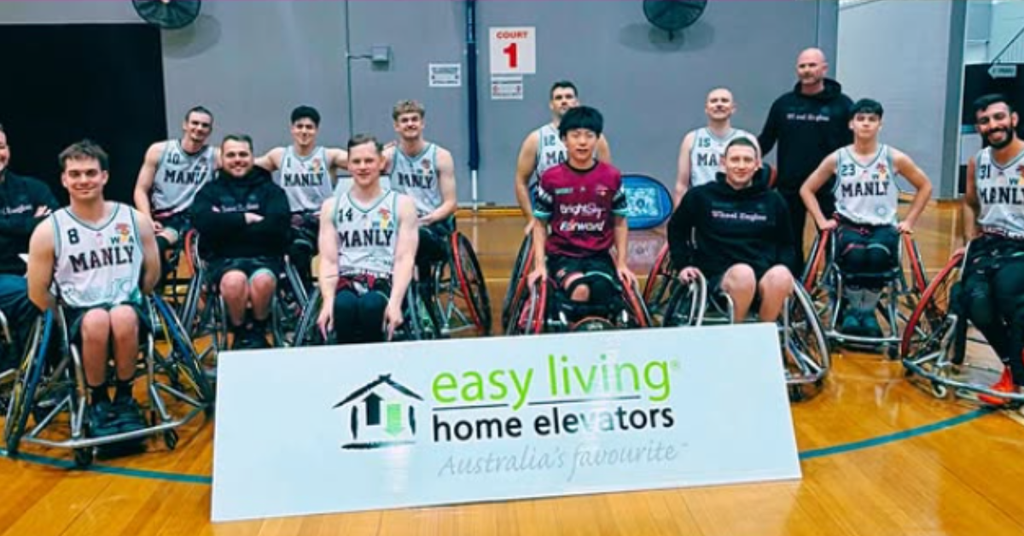
Powered by an unbreakable community spirit and relentless local grit, the Manly Wheel Eagles have written themselves into the history books by capturing their maiden national championship.
The breakthrough victory in Melbourne adds another golden chapter to a club that started from grassroots dreams just a few short years ago. Behind the scenes, local families, dedicated volunteers, and passionate coaches have built a welcoming home for athletes of all abilities.
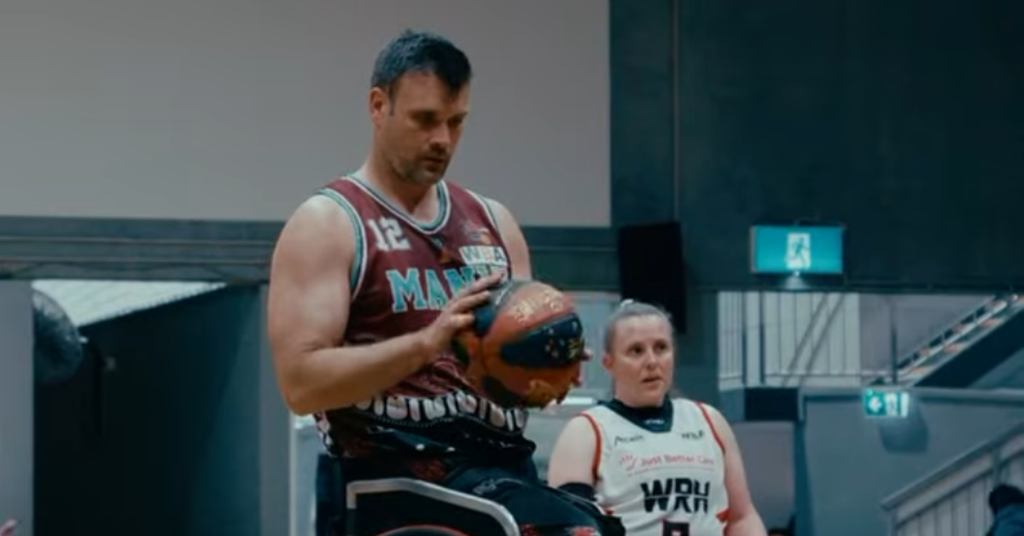
Star player Tom O’Neill-Thorne embodied that fighting spirit on the court, driving his teammates forward to lift the championship trophy and earning Finals Most Valuable Player honours along the way.
How does a local community club transform into a powerhouse on the national stage?
The secret lies right at home on the Northern Beaches, where the Manly Wheelchair Basketball Association operates as a true community-driven charity. Embedded seamlessly within the regional basketball network, the club opens its doors to everyone from first-time social players trying out a sport for the first time to elite athletes chasing international dreams.
That local dedication rippled across the wider national league, where supporters watched the Sydney Blues claim the women’s crown and local legends like the PlayOn Program receive top community honours.
Local success is rarely achieved in isolation, and the team’s triumph is deeply tied to the people who paved the way decades before. During a weekend filled with celebration, eleven members of the legendary nineteen-ninety-six gold medal-winning Australian Rollers stepped onto the court to a roaring crowd, bridging thirty years of sporting history.
That spirit of legacy continued as nine new life members entered the hall of fame, proudly inducting female athletes into those elite ranks for the very first time.
What stops anyone from stepping onto the court and trying something new?
With strong backing from local government support and dedicated partners like BrightSky Australia and Sargood on Collaroy, the path from local recreation to elite competition has never been more accessible.
Whether you want to cheer from the sidelines, volunteer your time, or roll onto the court for a social session, the Manly Wheel Eagles have proven that local dreams can reach all the way to the top. The season may have concluded with glittering medals and shining trophies, but for the local community, this milestone feels less like a finish line and much more like the start of an exciting new era.
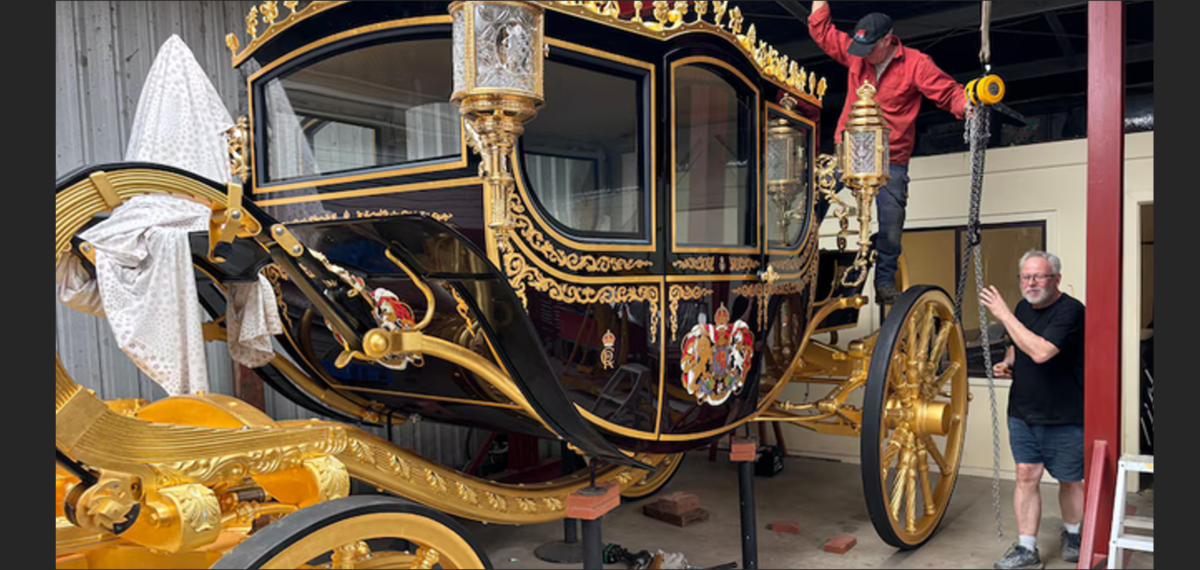
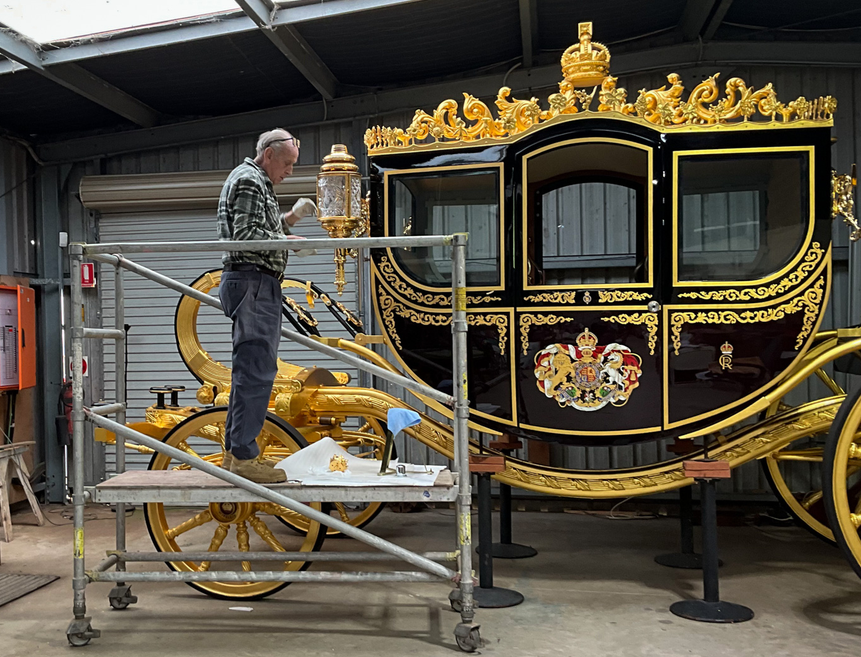
It weighs more than three tonnes, glitters with hand-laid gold and contains pieces of Australian and British history. Yet one of the most remarkable things about the Commonwealth Royal Coach is where — and how — it has been built.
For years, inside Jim Frecklington’s workshop at Manly’s North Head, painters, metalworkers, leatherworkers, engineers and other specialists have been turning his idea for a ceremonial carriage intended for King Charles III into a working vehicle capable of being drawn by six horses.
Frecklington will not see the last of their work completed. He died in Manly on Friday, 11 September, aged 76, after a lengthy battle with cancer.
The carriage was tantalisingly close. His friend and vehicle body painter Owen Webb said after Frecklington’s death that he expected it to be about 98 per cent complete once the immediate finishing work was done.
What remains is now in the hands of the people Frecklington gathered around him — the same craftspeople he had already said knew enough about the project to carry on if his health prevented him from finishing it himself.
Frecklington carried much of the design in his head, but turning it into a three-tonne carriage required skills scattered well beyond the Northern Beaches.
Webb, from Moss Vale, worked on all three of Frecklington’s royal coaches. Giving the new carriage its deep two-tone finish involved weeks of preparation, primer and topcoat, and at one point the sheer size of the body meant moving it to a Sydney spray booth large enough to take it.
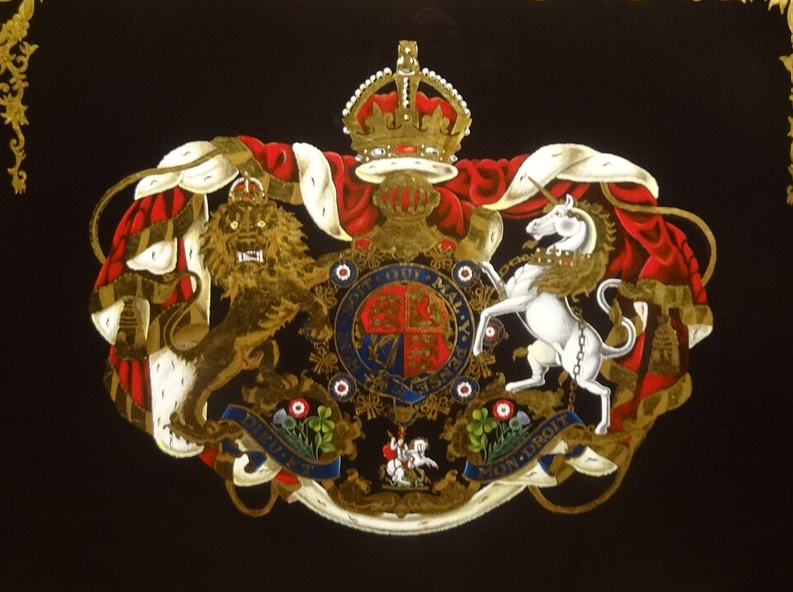
Then there was the decorative work. Sydney fine-art painter Paula Church whose association with Frecklington stretched back decades, hand-painted four coats of arms and worked on the gold leaf. It was painstaking work carried out in stages over a period stretching into years.
Decorative detail on Jim Frecklington’s earlier Diamond Jubilee State Coach at the Royal Mews, featuring a Welsh leek, Scottish thistle, Irish flax and English rose — a fine example of the painstaking work that goes into building a Royal Coach. Photo Credit: Jordi Ferrer/Wikimedia Commons, CC BY-SA 4.0
In Wollongong, metal spinner Tony Edwards was called on to reproduce specialist exterior light fittings, having previously made fittings for Frecklington’s earlier coaches.
The wheels took the project much further afield.
At Maryborough in Queensland, woodcarver Kevin Banting carved patterns used in their manufacture before the work moved into the foundry and engineering process at Wm Olds & Sons. Adult apprentices Lachlan Hansen and Cameron Stuart helped manufacture aluminium spokes destined to become part of the coach’s gilded wheels.
By the time those wheels reached Manly, they carried the work of people roughly 1,000 kilometres from the workshop where the carriage was coming together.
That was how much of Frecklington’s project worked: not one man somehow practising every old trade himself, but one coachmaker knowing which skills he needed and where to find them.
Putting His Own Home Behind the Project
Frecklington also put something more personal into the Commonwealth Royal Coach: his own money.
ABC reported in 2024, while he was alive and the coach was under construction, that Frecklington had mortgaged his home to finance this particular project.
There was some precedent for the unusual approach.
His earlier Diamond Jubilee State Coach was not originally a conventional Royal Household commission either. Contemporary British reporting records that Frecklington initiated the project himself. The Australian Government contributed to its cost, while Frecklington was understood to have met the balance.
Once completed, however, the coach was acquired by the Royal Collection Trust, largely using money from a private donation, and entered royal service in 2014.
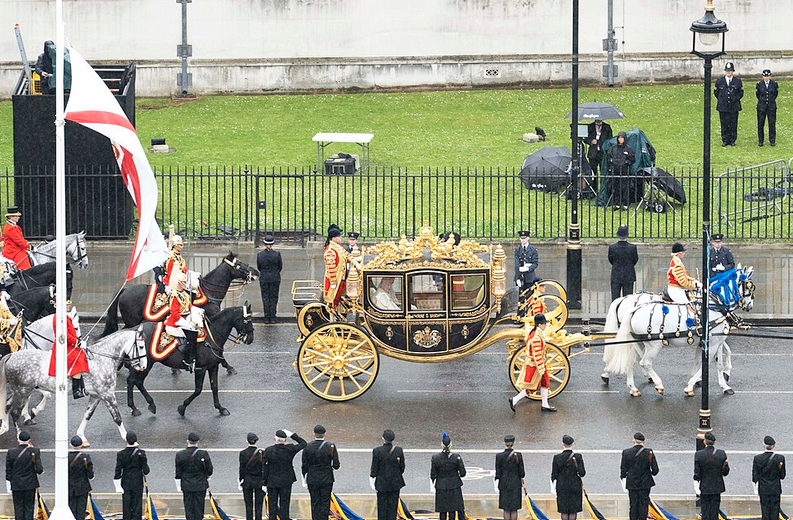
Nine years later, it was the carriage that took King Charles III and Queen Camilla from Buckingham Palace to Westminster Abbey for their Coronation.
Frecklington had hoped his newest coach would also be ready for the Coronation in May 2023. Cancer treatment slowed the work and the deadline passed.
The Commonwealth Royal Coach remains a privately initiated project intended for King Charles III. We have found no public Royal Household announcement establishing that it was formally commissioned by the King or Buckingham Palace.
Frecklington, in other words, was again prepared to build first.
JIM FRECKLINGTON: THE MAN BEHIND THE COACH
William James “Jim” Frecklington MVO OAM (’68) works on the Commonwealth Royal Coach in his North Head workshop.
Photo Credit:
The Scots College
William James “Jim” Frecklington MVO OAM was 76 when he died in Manly on 11 September 2026, following a lengthy battle with cancer.
His connection with royal carriages stretched back decades. As a young Australian in Britain, Frecklington worked at Windsor Castle and later at the Royal Mews, where he cared for ceremonial horses and learned about the carriages they pulled.
Back in Australia, he built the Australian State Coach, presented to Queen Elizabeth II as Australia’s Bicentennial gift in 1988, and later created the Diamond Jubilee State Coach. He was awarded the Medal of the Order of Australia (OAM) for service to the community through the design and construction of horse-drawn vehicles.
The Diamond Jubilee State Coach entered royal service in 2014 and carried King Charles III and Queen Camilla to Westminster Abbey for their Coronation in 2023.
His final project was the Commonwealth Royal Coach, intended for King Charles III. Frecklington knew illness might prevent him from completing it and said in 2024 that the craftspeople working alongside him had the knowledge to carry on if he could not. That is now what they are doing.
Opera House Handles, Harbour Bridge Steel
The Commonwealth Royal Coach may look as though it belongs to another century, but Frecklington was not building an antique.
Electric windows and climate control sit inside a traditional ceremonial body. Around that modern engineering he assembled something approaching a travelling collection of history.
Timber from Westminster Abbey was incorporated into the coach. Its decoration includes the national flowers of the Commonwealth’s 56 member countries, while portraits inside trace more than a thousand years of monarchy.
Australia is physically built into it too.
Steel from the Sydney Harbour Bridge was incorporated into the steps and undercarriage. Saddler Sonja Giesekam told Equestrian Life that she was given handles that had once been on doors at the Sydney Opera House Concert Hall and asked to transform them into handholds behind the cabin.
She moulded them, covered them and stitched their leather by hand. Giesekam and Frecklington then sourced leather from third-generation Sydney supplier NSW Leather to complement the silk used inside.
The result is a curious meeting of eras: old-fashioned hand stitching around pieces of the Opera House, fitted to a horse-drawn carriage with electric windows.
Frecklington had done something similar before. His Diamond Jubilee State Coach combined hand-applied gold leaf and traditional carriage work with an aluminium body, hydraulic stabilisers and electric windows. The Royal Family says almost all of its craftsmanship was sourced in Australia.
In December 2025, the nearly finished carriage was blessed inside Frecklington’s workshop by The Scots College Community Chaplain, Reverend Conrad Nixon. Frecklington, a former Scots student, was there.
By then he had already considered what would happen if his health stopped him completing the job. In a 2024 interview, he spoke of the “wonderful men and women” involved and said they knew enough to carry on.
That is what they must now do.
Webb and the remaining team are completing the work Frecklington left behind. Once the coach is finished, the stated plan is for it to be transported to London.
If it makes that journey, the carriage will carry the work of a Moss Vale vehicle painter, a Sydney artist, a Wollongong metal spinner, a Hunter-region leatherworker, a Queensland woodcarver and engineering apprentices — all brought together by a coachmaker working from North Head.
For something intended for a King in Britain, an extraordinary amount of it was made a very long way from Buckingham Palace.
Manly was among the first Northern Beaches communities included in a joint e-bike operation under new seizure laws, giving riders a clearer picture of what can happen when a bike does not meet NSW requirements.
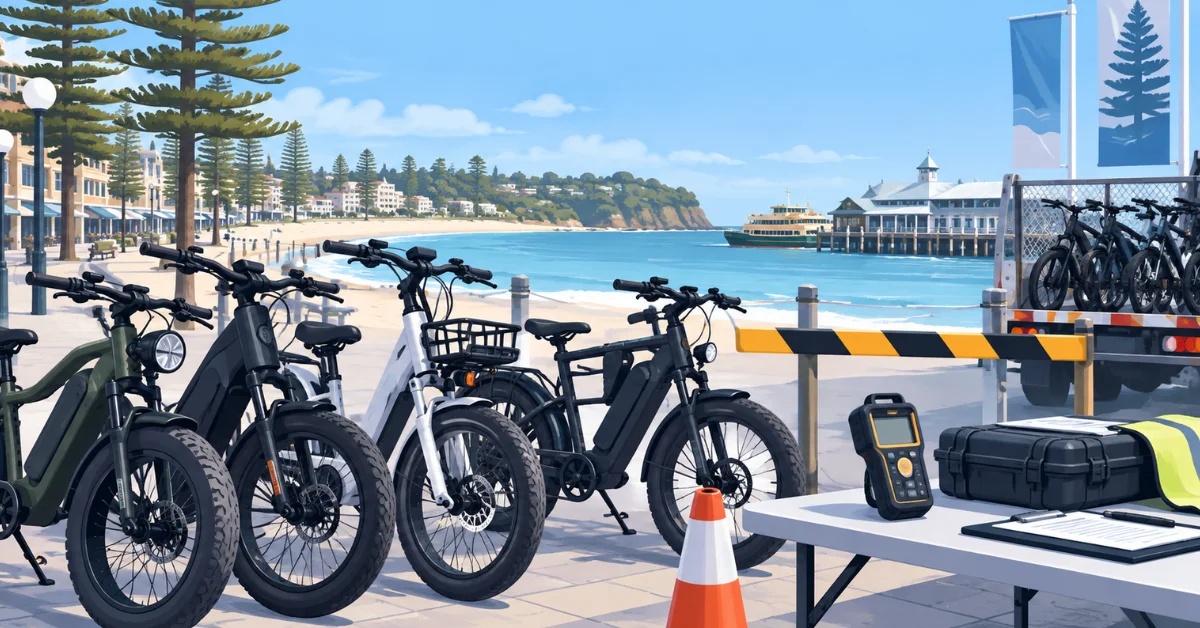
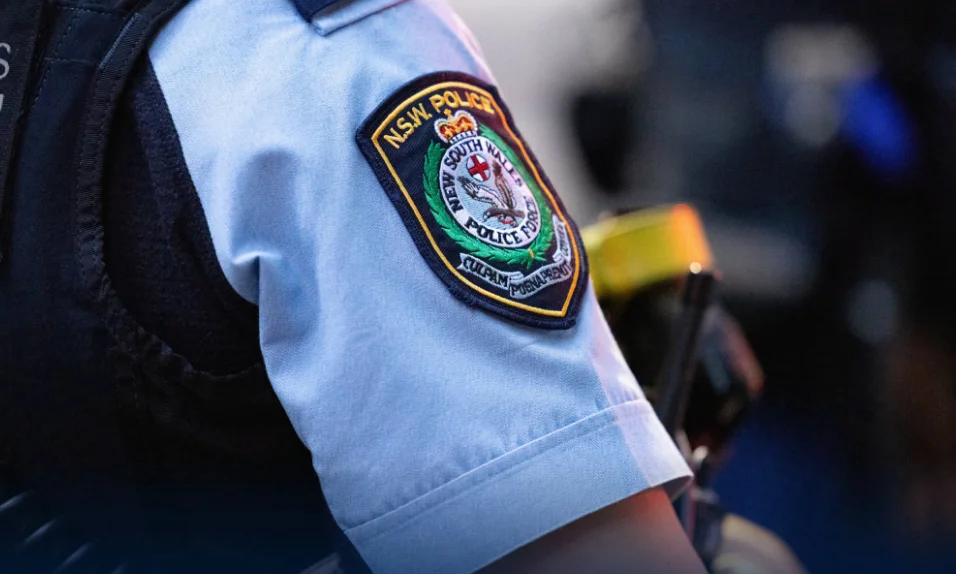
Police and Transport for NSW officers patrolled Manly, Curl Curl, Dee Why and Avalon on Friday, 11 September 2026, targeting illegal, modified and high-powered e-bikes. The four areas had been identified following recent incidents of illegal, dangerous and reckless e-bike use across the Northern Beaches.
Across the wider operation, police seized 36 e-bikes and issued 16 penalty notices and 46 cautions for offences including helmet and mobile phone breaches. It was the first joint operation of its kind since expanded powers to seize and dispose of illegal e-bikes became enforceable on 21 August 2026.
The operation also demonstrated how suspected non-compliant bikes can now be checked. Officers used a portable dynamometer to test power and speed, with three of the seized bikes found to be non-compliant through the testing process.
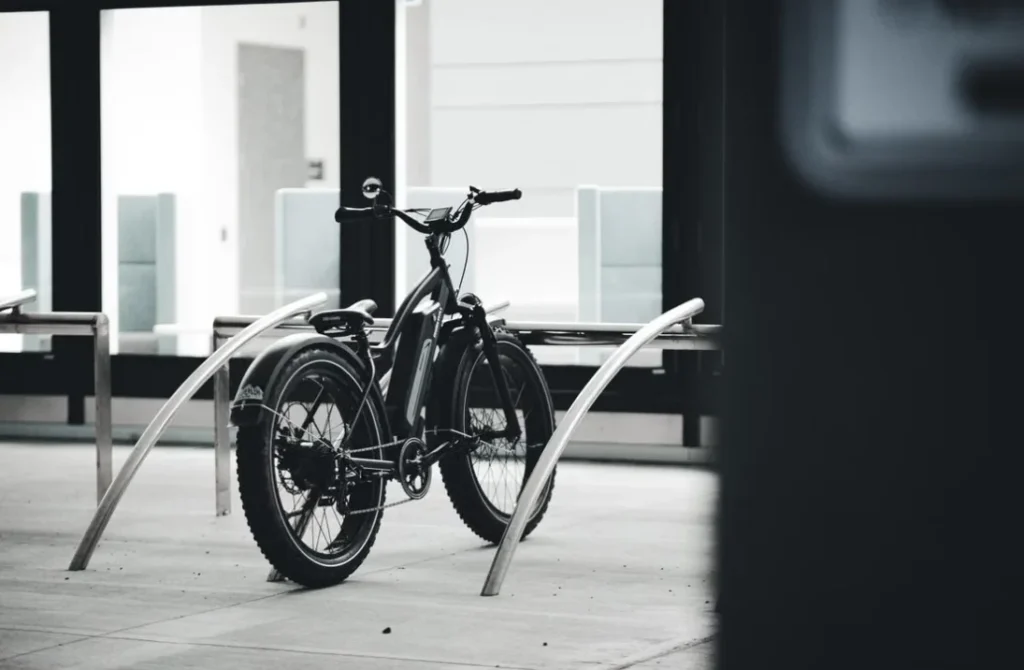
Under current NSW requirements, a legal e-bike can have up to 500 watts of maximum continuous rated power. Throttle-only assistance must cut out at 6km/h, while powered assistance during pedalling must stop above 25km/h. A bike that exceeds those limits is illegal even if its additional speed or power can be restricted by an app, switch, code or other software.
Those requirements sit alongside the usual bicycle road rules. E-bike riders must wear approved helmets and comply with restrictions on mobile phone use when riding. Police and Transport for NSW officers also used the Northern Beaches patrols to speak with riders and carry out community education alongside enforcement.
The new laws mean an illegal e-bike can now be taken off the road rather than simply attracting a penalty. Owners of bikes seized during the operation have 14 days to notify police if a bike had been stolen and was being used by somebody else at the time. After that period, seized illegal bikes are set to be destroyed.
The Manly checks were part of a wider operation that also found an e-bike at Warriewood which police alleged could exceed 90km/h. It had been ridden by a 14-year-old boy. A food delivery rider was also stopped with a bike police alleged had been modified and was non-compliant. Similar operations are expected to continue, with riders being advised to check that their e-bikes meet NSW requirements before using them on public roads and paths.
Seized E-Bikes Now Destroyed
Since the September operation, 23 of the illegal e-bikes seized across the Northern Beaches have been destroyed under NSW’s new confiscation powers. The bikes were crushed at a commercial wrecking yard in Blacktown after being forfeited to the state. Batteries were removed beforehand for recycling.
The destroyed bikes came from the wider operation that included Manly, Curl Curl, Dee Why and Avalon, where police and Transport for NSW officers seized 36 e-bikes on 11 September 2026. The remaining seized bikes were not immediately destroyed while authorities worked through applications seeking their return.
Among the bikes destroyed were modified models that had been altered to exceed legal speed limits. One seized bike was capable of reaching about 90km/h and had been ridden by a 14-year-old, although that bike was linked to Warriewood rather than Manly. The destruction marked the first use of the new disposal powers following the Northern Beaches enforcement operation.
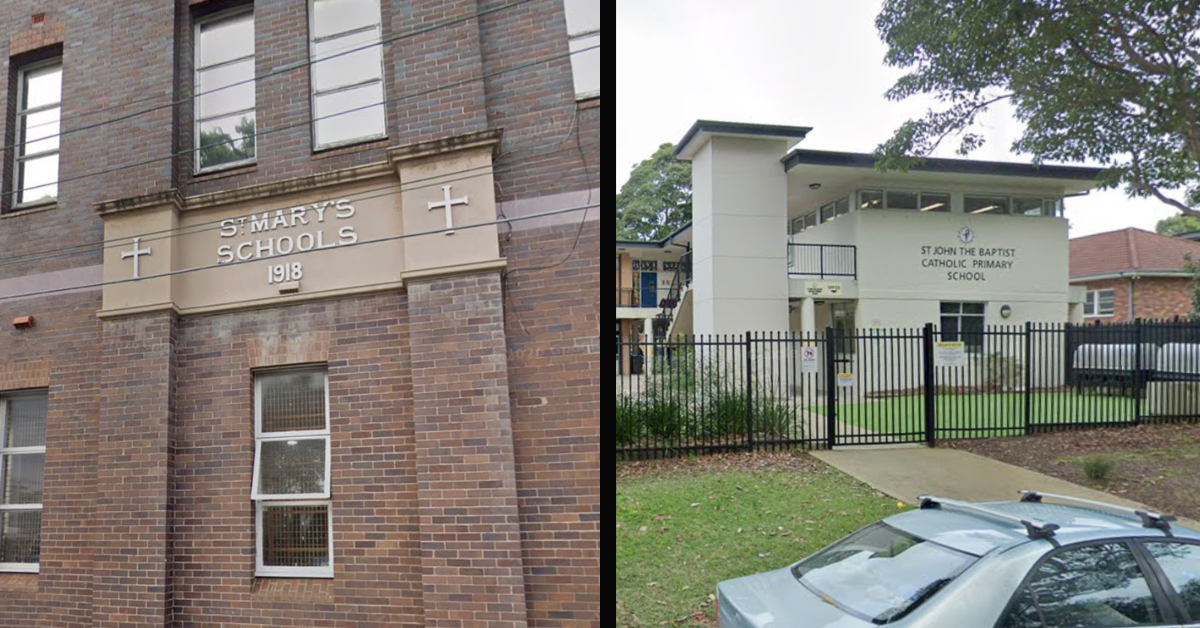
St Mary’s Catholic Primary Schoolat Manly andSt John the Baptist Catholic Primary Schoolat Freshwater will share a principal under a Catholic Schools Broken Bay leadership restructure affecting 14 primary schools across the Northern Beaches and North Shore. The two Manly-Freshwater Parish schools are among seven pairs moving to a model in which one principal will oversee two campuses.
Marc Reicher, currently Senior Executive Strategic Delivery for the Northern Beaches Precinct at CSBB, has been appointed principal of both schools from 12 October 2026. Reicher will work alongside retiring St Mary’s principal Paul McGuire during Term 4 before taking full responsibility for both school communities from the start of the 2027 school year.
St John the Baptist is currently led by Alicia van der Merwe, who will move to become principal of St John the Apostle Catholic Primary School at Narraweena and St Kevin’s Catholic Primary School at Dee Why under the same restructure. Current parish material lists McGuire as principal of St Mary’s and van der Merwe as principal of St John the Baptist.
Two parish schools move under one principal
St Mary’s and St John the Baptist already operate within Manly-Freshwater Parish, which includes Catholic communities in both suburbs. St Mary’s is based in Manly, while St John the Baptist is in Freshwater. The parish also includes St Paul’s Catholic College at Manly.
CSBB has said the shared-principal arrangement is intended to strengthen collaboration, build leadership capacity and allow expertise to be shared between school communities. Its letter to families says Reicher will maintain a presence at both campuses and will be supported by on-site leadership teams.
The wider restructure also pairs Maria Regina Avalon with Sacred Heart Mona Vale, St Joseph’s Narrabeen with St Rose Collaroy, St John the Apostle Narraweena with St Kevin’s Dee Why, and Our Lady of Good Counsel Forestville with St Martin’s Davidson. Four schools at Asquith, Berowra, Carlingford and Epping are also included.
Union disputes consultation over changes
The Independent Education Union of Australia NSW/ACT Branch lodged a dispute with the Fair Work Commission on 2 September following CSBB’s announcement. The union alleges CSBB failed to meet consultation requirements applying to a major workplace change under relevant enterprise agreements.
Union representatives have questioned how principals will manage responsibilities across two schools and whether additional staffing will be provided when principals divide their time between campuses. The IEU has characterised the model as creating principals who are present at individual schools only part of the time.
CSBB disputes the union’s position and says it complied with its enterprise agreement obligations. The industrial dispute remains unresolved.
Funding changes cited in CSBB’s case
CSBB has linked the leadership restructure to financial pressure caused by changes to government funding for non-government schools. The system says funding across the diocese has fallen by about $90 million a year, with schools in Sydney’s north particularly affected, and argues that shared leadership can reduce administrative costs and direct more resources towards students.
The $90 million figure is a CSBB estimate. A detailed public calculation supporting the amount was not available in the material reviewed for this report.
Commonwealth funding for most non-government schools includes a Capacity to Contribute score. The Australian Government says the score affects base recurrent funding and is calculated using a Direct Measure of Income based on the median income of parents or guardians. The DMI replaced the previous area-based SES measure and has applied to all relevant schools since 2022.
Parent campaign seeks pause to rollout
A parent-led petition is calling for CSBB to pause the shared-principal model until the Fair Work Commission dispute is resolved and further consultation is conducted with families, staff and school communities. St Mary’s and St John the Baptist are among the 10 Northern Beaches schools named in the petition.
The petition raises concerns about consultation, transparency and school stability. It also questions how the model will operate while employment issues remain unresolved.









.jpg)
