

High-Density Living Waves into Manly Beach with 37-Apartment Renewal Project

Developer Lindsay Bennelong plans to demolish a cluster of older properties near the southern end of Manly Beach to build a massive $71.6 million apartment complex that utilises state planning incentives to exceed standard local height limits by including dedicated homes for frontline workers.


Transforming the Neighbourhood Footprint

apartment
Photo Credit: DA2026/0523

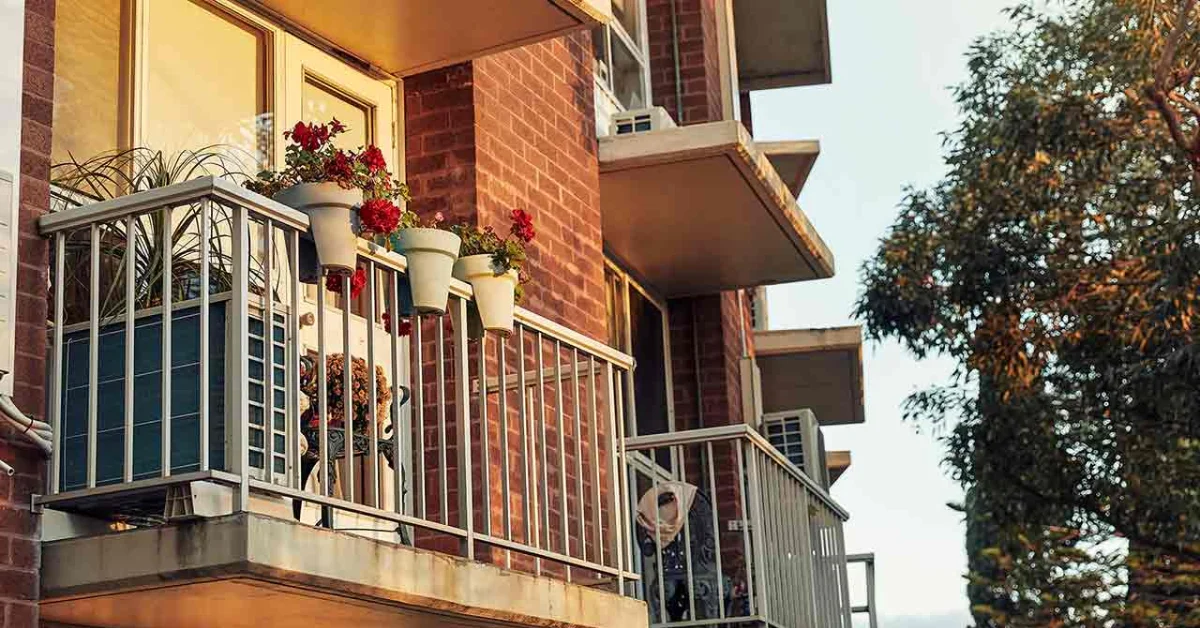
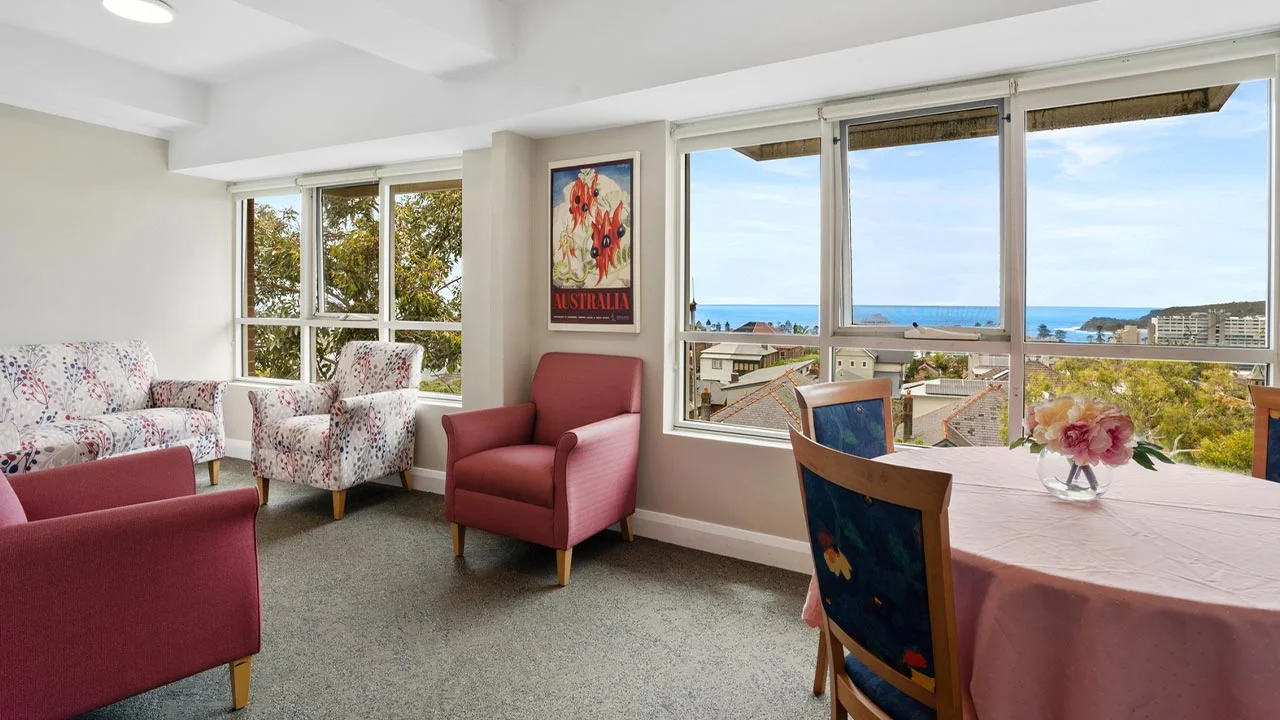
The proposed development, located at 17 to 25 Ashburner Street, sits snugly between the southern end of Manly Beach and East Manly Cove. The project involves knocking down four existing houses and 10 older apartments to make way for a much larger, high-density residential space. 

This complete redesign will significantly increase the housing capacity of the specific site, jumping from just 25 existing bedrooms up to 94 bedrooms. These will be spread across 37 new apartments, offering a mixture of one, two, and three-bedroom layouts to suit different types of households.

Utilising Incentives for Affordable Housing

Because the location is exactly within a 400-metre walking distance of the Manly town centre, it falls under specific state planning rules for low to mid-rise housing zones. The standard height limit for this area is usually restricted to 22 metres. However, the developer has qualified for a 30% height increase. They secured this bonus by reserving nine of the new apartments strictly as affordable housing. 

This extra allowance pushes the maximum allowable building height to 28.6 metres, a limit the eight-storey design uses completely to maximise the number of homes on the block.

Dedicated Homes for Frontline Workers

apartment
Photo Credit: DA2026/0523

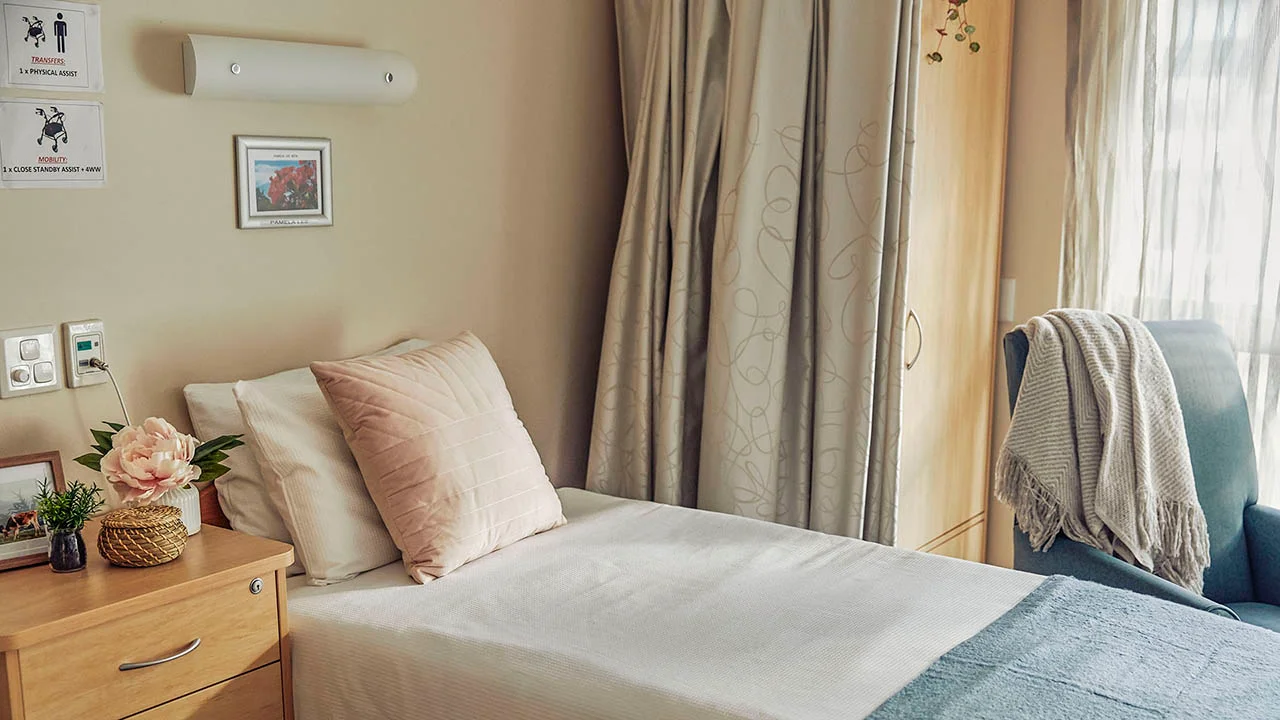
The nine affordable units are specifically aimed at supporting frontline workers, making it easier for essential staff to live close to their workplaces. The developer is currently collaborating with a local community housing provider to ensure the rental prices for these specific apartments are heavily reduced. Usually, affordable housing requires rents to be capped at 20% below the regular market rate, but the team behind this project aims to push the cost well below that standard benchmark.


Coastal Design and Modern Additions

Platform Architects designed the new complex to blend nicely with the local environment, featuring a wave-like indentation along the building’s facade to mirror the nearby ocean. People living in the building will share a dedicated wellness facility equipped with a sauna and a gym, alongside generous private outdoor spaces. 

The property will also feature a full-time building manager’s office and two levels of underground basement parking with room for 76 cars, which includes nine parking spaces set aside specifically for visitors. The formal development application is currently waiting for its public exhibition period to be determined, with the entire project estimated to finish in early 2031.

Published Date 12-June-2026

A Ferris Wheel Is Coming to Manly Beach for the First Time

A 25-metre Ferris wheel is coming to Manly Beach as the headline attraction of this year’s Rise Manly winter festival, marking the first time a Ferris wheel has appeared on the suburb’s ocean beachfront.


The wheel will operate from 19 to 28 June opposite the Corso, giving riders panoramic views across the Pacific Ocean. Tickets cost $10 per person or $35 for a family of four, with no booking required.

The Ferris wheel, owned and operated by DM Entertainment, opens daily and runs until 28 June. Sunday to Thursday sessions run from 10am to 9.30pm, while Friday and Saturday sessions extend to 10pm.

Manly has had a Ferris wheel before — just not here

The ocean beachfront distinction matters. Manly’s last Ferris wheel stood on the other side of the peninsula entirely.

Photo Credit: @manlyaustralia/Instagram

The Manly Fun Pier, built at Manly Wharf on the harbour side, operated from around 1931 and became a landmark that defined the cove’s skyline for more than half a century.

Its Ferris wheel, skating rink, carnival rides and amusement attractions drew generations of visitors arriving by ferry, and the pier’s outline became as familiar to Manly residents as the beach itself. The Fun Pier closed and was demolished in 1989 following years of decline.

Photo Credit: Northern Beaches Council Library

The beachfront wheel arriving this June is not a replacement in any formal sense. But for a suburb where amusement attractions once defined how visitors experienced arrival, having a Ferris wheel visible from the sand and the Corso connects the present to a chapter of Manly history that has been absent for nearly four decades.

The rest of Rise Manly

The beachfront Ferris wheel headlines this year’s Rise Manly, running for 10 days alongside the festival’s wider winter program. Live street performances, light installations, a silent disco tour and ski-themed parties are scheduled throughout the run.

Photo Credit: @manlyaustralia/Instagram

A projection installation will light up the facade of the historic Manly Town Hall, while the surface of the Corso transforms into a light canvas after dark, with a nod to Vivid’s influence on Sydney’s winter events calendar.

Food and drink experiences include a fondue and wine event at Henry G’s and winter-themed menus across participating restaurants and cafes. The Ice Cold Classic, a one-kilometre ocean swim from Manly to Shelly Beach marking the winter solstice, also runs during the festival as a fundraiser for people in need.

Local shops, restaurants, bars, cafes, and fitness and wellness businesses are participating with their own events and specials throughout the festival.

Getting there and tickets

The Ferris wheel is on the Manly Beachfront, opposite the Corso. Manly is accessible by ferry from Circular Quay, by bus, or on foot from Manly Wharf. Tickets are $10 per person or $35 for a family of four. No booking required — purchase onsite. Group and event packages are available on request.

Full Rise Manly program details can be viewed here.


Published 10-June-2026

Manly’s Parking Permits Have Gone Digital — and Not Everyone Is Happy About What Changed

The Manly Parking Permit Scheme shifted online in March 2026, ditching physical window stickers for digital permits linked straight to vehicle regos. But while updating standard residential permits has been relatively straightforward, a major shake-up to multi-use permits has caught plenty of local households completely off guard. 


The residential permit change itself is relatively straightforward for most households: two permits per property, linked to specific vehicles, managed online through a vPermit account. The permits are valid for 365 days from the date of application, and existing permit holders are being given advance notice as their current physical permits expire before transitioning to digital.

The friction point is the multi-use permit, which works very differently now from how it used to.

The permit that changed most

Previously, the multi-use permit came in a removable sleeve that could be transferred between any vehicle at any time for any duration, with no registration attached. That flexibility made it a practical solution for households with more than two cars, or for anyone who regularly had tradespeople, carers or visitors parking on the street.

Photo Credit: Anna Littleboy/Facebook

Under the digital system, each session requires the resident to register the specific vehicle online, choose a start date and time, and activate a session that expires after 24 hours. Sessions can be booked up to seven days in advance.

The first 40 sessions annually are free, with additional sessions proposed at $5 per day from 1 July 2026, subject to the annual fees and charges process.

For households where cars come and go at short notice — a son or daughter arriving unexpectedly, a last-minute tradesperson booking, a carer changing vehicles — the requirement to log in and register a plate before every session is the sticking point.

Residents have described the booking system as unworkable in practice for busy households. A parked car without a valid active session risks a fine of around $120.

What the system was designed to do

NBC has been clear about the intent behind the digital shift. The multi-use permit was never designed as a de facto third permit for a third car. It was intended to provide parking options for visitors, tradespeople and carers, and the 40-session cap reflects that intended use rather than long-term residential parking.

Photo Credit: Manly Australia

The move to digital also addresses a practical problem at the beachside end of the Northern Beaches permit system: a secondary market for physical beach parking stickers, sometimes advertised online as a “pen” on platforms like Facebook Marketplace, in which residents with surplus stickers sold them on. Digital permits tied to specific registrations make that kind of resale impossible.

The broader digital rollout is hitting the area in stages. While the vPermit system was announced back in 2025, it only recently went live in parts of Manly.

Meanwhile, the general 2026 Beach Parking Permits are still arriving in letterboxes as physical stickers, meaning the secondary black market for them won’t be completely wiped out until those schemes transition later down the track. 

Options for households with three vehicles

The standard Manly scheme limits each property to two site-specific residential permits. The first costs $55 annually and the second $121. Households with a genuine need for a third permit do have an avenue, though it is not straightforward.

It has been confirmed that extenuating circumstances will continue to be considered on a case-by-case basis. “This may include larger households where planning controls restrict the provision of off-street parking,” a spokesperson said.

A third residential parking permit in such circumstances costs $306 annually. Special issue permits remain available upon request for charities, schools, volunteers and not-for-profit organisations.

Residents with questions about the digital permit transition can call NBC’s customer service team on 1300 434 434, visit the Manly Customer Service Centre at Manly Town Hall, 1 Belgrave Street, or access the vPermit system here.


Published 7-June-2026

Jake Trbojevic Re-Signs with Manly After Weighing Up Retirement

Manly Sea Eagles icon Jake Trbojevic has officially shut down any retirement talk, locking in a contract extension that keeps him at Brookvale Oval through the end of the 2027 NRL season.


The dramatic turnaround in form and mood follows a sensational mid-season revival under club legend Kieran Foran, who recently shed his interim tag to sign a permanent three-year head coaching deal.

The 32-year-old lock forward, who recently crossed the historic 250-game milestone for Manly after debuting back in 2013, admitted he seriously weighed up his future earlier in the year. Facing a heavy barrage of media criticism and recovering from a series of concussions that cut his 2025 campaign short, Trbojevic openly worried about overstaying his welcome.

“I just wanted to make a good decision for both me and the club. I didn’t want to be a burden,” Trbojevic said before putting pen to paper. “But the past few weeks have been really enjoyable, and our turnaround in form has been great for the whole club. I love playing under Foz and with this amazing group of players. I’m really happy to confirm that I’m locked in for next year.”

The Fozball Revolution

Trbojevic’s career extension caps off a remarkable structural shift on the Northern Beaches. Manly began their 2026 campaign in absolute chaos, sacking Anthony Seibold after an 0-3 start. The board turned to Foran in Round 4, thrusting the former Kiwi international into the top job just months after he retired from professional playing duties at the end of 2025.

Photo Credit: Manly Sea Eagles

The rookie coach sparked an immediate cultural reset, implementing a high-octane style of play that fans have affectionately dubbed “Fozball.” Under his guidance, the Sea Eagles completely transformed their season, orchestrating an elite run of form that briefly saw them outscore and out-defend every team in the competition over an eight-game window.

“Having Foz take over has been a breath of fresh air,” Trbojevic noted. “The month of footy we’ve put together makes life a lot easier.”

Foran was equally thrilled to secure his stand-in captain’s signature for 2027, praising Trbojevic’s leadership on and off the field.

“Jake is everything that is good about this club; he is Manly through and through,” Foran said. “He’s playing some really good footy, and the boys love playing with him, so this is great news for the club.”

Trench warrior and family legacy

Born and raised in Mona Vale, Trbojevic represents a rare breed of local loyalty in the modern game. His 250th match, celebrated in a packed home game against the Brisbane Broncos, highlighted a deep family legacy. All three Trbojevic brothers — Jake, club captain Tom, and younger brother Ben — spearhead the Sea Eagles line-up.

Photo Credit: Manly Sea Eagles

While Tom and the glamour backline usually capture the headlines, Jake remains the engine room. His relentless work ethic, increased run meters, and characteristically massive tackle counts have formed the bedrock of Manly’s resurgence.

Even when Tom faced an extended sideline stint due to injury, Jake filled the captaincy void seamlessly. His brother Tom fiercely defended him against early-season critics.

“I thought everyone copped a bit of criticism at the start of the year, but I don’t think he was playing as badly as everyone was saying,” Tom said. “We know what he’s capable of, and it’s great that he’s showing everyone that.”

Now sitting comfortably in the top eight and ready to launch a genuine premiership assault, Manly has transformed from an early-season basket case into a tightly wound title threat—with their spiritual leader officially secured for the long haul.


Published 3-June-2026

Iconic Tyre Man Could Return to Manly Streets After Years in Storage

Few landmarks on the Northern Beaches were as recognisable as the Tyre Man, a top-hatted, cigar-toting figure who stood sentinel over the western approaches to Manly for more than eight decades. Now, after years in storage, he could be heading back, thanks to a campaign by businessman Keith Tucker.


Read: $79M Plan To Replace Ageing Manly Flats With Nine-Storey Apartment Building


Mr Tucker, owner of Autotune Freshwater, has kicked off a community campaign to find the beloved figurine a permanent home in Manly, calling on businesses with a 2095 postcode to put their hand up and offer him a spot out front.

Mr Tucker rescued the Tyre Man from storage at the former Manly Council’s works depot on Roseberry Street, Balgowlah, back in 2013, after the figure had been deemed a safety risk and removed from his pole the previous year. Since then, the iconic landmark has been sitting in pieces in a shed on Mr Tucker’s property near Mt Panorama, outside Bathurst, with no permanent home yet secured.

A Northern Beaches Icon: The Story Behind the Tyre Man

The Man on the Tyres, with cigar and top hat, 1987 (Photo credit: Manly Library Local Studies

The Tyre Man’s story begins in 1933, when young William Edward Sinden, a Goodyear tyre dealer, was looking for an advertisement that would capture the public’s interest. His idea was deceptively simple: stack roughly 100 tyres on a pole at a prominent spot along Sydney Road, right where the road sweeps down toward Manly, and crown it with a life-size dressed figure.

By Mr Sinden’s own account, it worked. Motorists would pull over to debate whether the man up there was real or a dummy. Photos appeared in newspapers and magazines across Australia and around the world, and the landmark even featured in a Goodyear promotional film, “Goodyear on the March.”

The figurine’s aluminium face was said to have been modelled on George Surgeoner, a local pilot who went on to fly bombers in England during World War II. The Tyre Man received a new suit every year, working through ordinary clothing, leather, and eventually more weatherproof materials, to deal with the punishing combination of Sydney sun, rain, and southerlies. His hat was crafted from copper, his shoes were military boots.

Sinden’s, post-WWII (Photo credit: Manly Library Local Studies)

Mr Sinden himself once noted that wherever he travelled, whether in New Zealand, New Guinea, or elsewhere in Australia, the mere mention of his name would prompt someone to bring up the man on the pole. A new figure was installed on 18 April 1963, courtesy of Mackellar County Council.

After the original Sinden’s Tyre and Rubber Co. at 100 Sydney Road was demolished and replaced by apartments, the Tyre Man stayed on at the same site on a much lower pole, though he gradually disappeared behind overgrown trees. By 2012, his deteriorating condition had made him a liability, and he was taken down and put into council storage.

Photo credit: Facebook/Tyre Man Manly

Mr Tucker’s son Jake, then 15, and a group of mates tackled the restoration of the Tyre Man’s head at St Paul’s Catholic College in Manly with the help of visual arts co-ordinator Christopher Boylan. The project took three months to complete.


Read: Lost in a Storm, Found on Manly Beach: The Extraordinary Tale of the Vincennes


Mr Tucker had previously considered putting the Tyre Man on display outside the former Ultratune service centre in Manly, but when he sold that business, the Tyre Man was shipped to his property near Mt Panorama. Now Mr Tucker is ready to act. He plans to restore the figure, fit him with a new uniform, and get him ready for his new home.

All he needs is a business willing to take him in. Anyone interested in giving the Tyre Man a new home can contact Mr Tucker at info@autotune.com.au

Published 30-May-2026

Manly Emergency Drill Tests Response To Major Incident

A major emergency exercise at North Head in Manly placed first responders inside a realistic mass casualty scenario, testing how crews would work together if a serious incident unfolded in a crowded public setting.


The large-scale training exercise, led by NSW Ambulance, was held at the former School of Artillery on Thursday, 21 May. Known as Exercise Paratus, the drill brought together ambulance crews, medical teams, control centre staff and emergency service partners for a full-day test of coordination, communication and clinical response under pressure.

The scenario centred on a simulated incident in which a vehicle had ploughed through a crowded outdoor market. Responders were confronted with multiple casualties, manikins representing deceased persons, a trapped passenger, smoke, crowd pressure and a simulated confrontation involving the driver.

NSW Ambulance
Photo Credit: NSW Ambulance/Facebook

Manly Training Scene Built Around Realistic Pressure

The North Head site was set up to reflect the confusion of a major emergency. Volunteer patients and paramedicine students acted as casualties, with realistic-looking injuries prepared through professional make-up. Some called for help, others appeared shocked or searched for loved ones, while responders worked to assess injuries and establish priorities.

Two vehicles were placed on the parade ground to make the scene more realistic. Smoke was used to simulate a fire, adding another challenge for crews already managing patient care, access issues and crowd control.

St John Ambulance NSW responders began triage as the first simulated patients were assessed. As more emergency vehicles arrived, access to the scene became a key concern, with fire crews needing to move closer to the damaged vehicles before working to reach a trapped patient.

The exercise tested treatment and triage for 25 simulated patients, including five represented as deceased. It also tested how different emergency teams managed limited space, changing priorities and the pressure of a fast-moving scene.

Manly emergency exercise
Photo Credit: NSW Ambulance/Facebook

Crews Repeat Exercise To Apply Immediate Lessons

The drill was run twice across the day, with morning and afternoon sessions allowing staff to rotate and apply lessons from the first round. After the initial exercise, participating teams held a debrief to review what worked well and where improvements could be made.

The scene was then reset before the exercise was repeated. The second session gave crews the chance to adjust their approach, including broader use of available personnel in first aid treatment and patient support.

A further element was added when a Toll NSW Ambulance Rescue Helicopter arrived overhead, bringing an aeromedical team into the scenario. Its arrival added complexity to an already crowded and active exercise area.

 emergency training
Photo Credit: NSW Ambulance/Facebook

North Head Exercise Focuses On Readiness

NSW Ambulance led the exercise with support from police, fire, rural fire, SES and St John Ambulance teams. Medical observers and support organisations also assessed how a major incident could affect their own response roles.

The purpose of the exercise was to strengthen how responders work together when time, space and information are limited. Crews followed standard emergency procedures as they would during a real incident, while volunteer patients helped create a changing and realistic training environment.

NSW Ambulance regularly trains with emergency and health partners to prepare for complex incidents. Exercises such as the one at North Head allow responders to refine communication, practise clinical decision-making and build working relationships before those skills are needed in a real emergency.


The exercise highlighted how preparation for a serious public safety incident depends on coordinated action across multiple teams. The scenario was simulated, but the training focused on the real pressures responders may face when large numbers of people need urgent help.

Published 29-May-2026

The Manly Designer Who Makes Fabric From Scratch Just Debuted at Australian Fashion Week

Tate Boswarva graduated from TAFE NSW Fashion Design Studio, launched her label ATTÈ, and showed a 12-look collection on the Australian Fashion Week runway, all within weeks of each other.


The 21-year-old Manly designer was one of four recent graduates selected for The Innovators showcase on 13 May, a runway that has launched some of the country’s most recognisable fashion names over its 27-year history. Zimmermann, Christopher Esber, Bianca Spender, Romance Was Born and Ginger & Smart all passed through the same program before building careers that reshaped Australian fashion.

Boswarva’s collection, titled Vestige, was constructed entirely from recycled materials, a fitting name for work that asks what remains when you strip fashion back to what it actually costs.

A technique you won’t find on any shelf

Boswarva’s approach to making clothes begins before a single stitch is sewn. Rather than sourcing fabric from a supplier, she builds her own textiles from the ground up using water-soluble bases, sewing densely onto the base until it dissolves and leaves behind a lacelike structure that cannot be replicated or bought wholesale.

Photo Credit: TAFE NSW/Facebook

She also beads fabric heavily by hand and experiments with sustainable techniques to upcycle materials into entirely new textile surfaces. The result is clothing that carries the marks of its making in a way that mass production simply cannot reproduce.

“My design work is defined by material experimentation and textile artistry,” Boswarva says. “I also heavily bead fabrics and explore a range of sustainable techniques that I learned during my studies at TAFE NSW FDS.”

Photo Credit: TAFE NSW/Facebook

Her thinking extends into the conceptual details too. One piece in her collection incorporates contraceptive blister packs, cut into small bead-like forms with gold foil interiors used as decorative elements. It is the kind of detail that rewards a second look and lingers well after a runway show ends.

A track record that started long before graduation

Boswarva’s interest in fashion and construction started young, beginning with sewing and an early understanding of how garments are actually built. By the time she enrolled at TAFE NSW’s Ultimo campus, she already had a foundation to build on.

Photo Credit: TAFE NSW/Facebook

Her work was selected for the HSC Design and Technology Showcase at the Powerhouse Museum in 2022. In 2024, her wearable art piece Occyan Morphosis, made from 17 upcycled denim jeans and five years’ worth of collected plastic waste including coffee cup lids and drink bottles, was named a finalist in the Northern Beaches Environmental Art & Design Prize‘s Wearable Art category.

Photo Credit: TAFE NSW/Facebook

The piece, which envisions sea creatures undergoing a metamorphosis to survive a polluted ocean, went on to win the People’s Choice award in the Design category at Curl Curl Creative Space.

It was not a side project. It was a direct line to what she is doing now.

Manly to the runway, with Zimmermann in between

Boswarva now works from her home studio in Manly, building out the ATTÈ label while taking on casual design assistant work at Zimmermann, one of the very labels The Innovators helped launch. The symmetry is not lost on her.

“It’s a huge milestone and something I have been working towards throughout my studies,” she says of the AFW debut. “Fashion has always been a part of my life. From a young age I was sewing, including working with semi-industrial machines and understanding how garments are constructed.”

Photo Credit: TAFE NSW/Facebook

The four Innovators graduates, including Boswarva alongside Luke Rutherford-Durney, Oliver Parry and Zoe Markopoulos, will now undertake a 10-month program through The Next Garde Fashion Incubator.

The program provides dedicated studio space, mentoring and access to CLO, a 3D fashion design software that allows designers to develop and refine collections digitally before cutting a single piece of physical fabric.

For Boswarva, it extends a runway debut into a genuine launchpad.

ATTÈ can be followed at Instagram. For more on The Innovators program and TAFE NSW Fashion Design Studio, click here.


Published 29-May-2026

Lost in a Storm, Found on Manly Beach: The Extraordinary Tale of the Vincennes

Did you know that 120 years ago in May 1906, a 2,311-tonne French sailing ship came grinding onto Manly Beach in the middle of a stormy night, and by the weekend had turned the suburb into the most talked-about destination in Sydney?


Read: 80 Kilometres Later, It All Ends at Manly: The Coastal Ultra Is Back


It sounds like something from a Patrick O’Brian novel, but the grounding of the French barque Vincennes on 24 May 1906 was very real, very dramatic, and in typical Manly fashion, it quickly became a party.

How the Vincennes Ended Up on the Wrong Beach

The ‘Vincennes’ under sail entering the Golden Gate (Photo credit: State Library of South Australia)

The Vincennes was no small vessel. Built at Nantes in 1900 and registered to the Societe Anonyme des Longs Courriers Français, the three-masted steel barque stretched nearly 85 metres in length and measured 2,311 tonnes gross. She was 66 days out of Yokohama, carrying only ballast, when her captain, a man named Leviellent, made a catastrophic navigational error off the NSW coast.

Photo credit: Star Photo Co/ Northern Beaches Council Library Local Studies

It was actually his second close call in two days. The night before the grounding, Leviellent had mistaken The Skillion at Terrigal for Sydney Heads. Only a timely warning from local fishermen saved the ship that time. But on the night of Thursday, 24 May, with heavy rain and driving seas reducing visibility to almost nothing, history repeated itself. According to one crewman, thinking he was off the Heads, Leviellent burned blue lights to signal the pilot boat, waiting for guidance that never came. Another crewman told the press that a red light on the port bow had been mistaken for the harbour entrance. Locals denied any such light existed.

By the time the anchor was dropped and distress flares were fired, it was too late. The Vincennes came ashore stern-first at around 9.30pm, between Pine and Carlton streets, then swung broadside. The pounding surf worked her deeper into the sand with every wave. A few wet and bedraggled sailors made it to shore and, despite the language barrier, managed to convey that all 23 crewmen were safe. The pilot boat had already decided the seas were too rough to attempt a rescue and stayed well clear.

Brass Bands, Postcards, and 23,000 Ferry Passengers

Photo credit:  Northern Beaches Council Library Local Studies

Once it was clear no lives were at risk, Manly did what Manly does best: it put on a show. Members of the local town band had been drinking in a nearby hotel and, rain be damned, they made their way to the beach to serenade the stranded Frenchmen with a damp but enthusiastic rendition of the Marseillaise. They followed it with Home, Sweet Home and Auld Lang Syne, thoughtfully directed at the few Englishmen among the crew.

By morning, word had spread across Sydney and the crowds descended. On both the Saturday and Sunday that followed, the Port Jackson Co-operative Company threw its entire fleet of five ferries plus a hired steamer at the problem, and still could not keep up. More than 23,000 people crossed by ferry on each of those two days. At Circular Quay, police were called to manage crowds who could not get on board. Those who tried the overland route to The Spit found the punt equally overwhelmed, and thousands went home disappointed.

On the beach itself, it was pure carnival. Deck chairs were hired out to sightseers, children had pony rides, and food and drink vendors did a roaring trade. Photographers were among the sharpest operators: they shot the wreck, sprinted back to their darkrooms, printed the images onto postcard backs and were reselling them on the sand within hours. A fete was held in aid of Manly Hospital, with nurses serving afternoon tea among the spectators. Even Henry Lawson came to look. His poem The Stranded Ship was published in the Bulletin on 17 June 1906, his 39th birthday.


Read: Manly Moves Closer to Becoming an Official Entertainment Precinct With Night-Time Trading Trial


Salvage took nine days. Two tugs made repeated attempts to pull the Vincennes free; on one occasion an 89mm steel hawser snapped clean under the strain. Salvors eventually jettisoned most of the 700 tonnes of ballast, dismantled the masts, and laid a seabed anchor off Manly connected to the ship by hawser to stop her being driven further up the beach. At 3am on Saturday, 2 June, three tugs combined with the ship’s own winch finally hauled her clear. By 8am she was anchored in Neutral Bay.

A survey at Mort’s Dock found fractured frames but no serious structural damage. Repairs were completed by early July, and on 30 July 1906 the Vincennes sailed away from Sydney and was never seen off Manly again.

Published 29-May-2026

Shelly Beach Residents Take on The Boathouse Over Licence Shake-Up

A community debate is under way over a proposed liquor licence change for The Boathouse, a waterfront restaurant at Shelly Beach in Sydney. 


Read: Calls for Action as Brush Turkeys Invade The Boathouse at Shelly Beach


The venue has applied to NSW Liquor and Gaming for a Primary Service Authorisation, which would allow it to serve alcohol to patrons without requiring them to order a meal. The Boathouse currently holds a licence to serve drinks alongside food until midnight Monday to Saturday, and until 10pm on Sundays. The proposed change would keep those same trading hours but remove the meal requirement altogether.

Photo credit: Google Maps/Cherrie K

The Boathouse Group CEO Antony Jones wrote to residents explaining the intent behind the application, saying the venue would continue to prioritise food and coastal dining. The purpose, according to the letter, is to give guests greater flexibility, whether they are stopping in for a quick drink, catching up with someone before sitting down to eat, or simply enjoying the view over the water. The business maintained in its application that the overall social impact of the change is unlikely to cause harm to the local or broader community.

Residents Fear a Slippery Slope

Photo credit: Google Maps/Fiona O’Farrell

The Marine Parade Action Alliance (MPAA), a local resident group, has been vocal in its opposition and says it has heard from hundreds of concerned community members since raising awareness of the application. Co-founders Julie Meldrum and Merrilee Linegar, both of whom live in the area, have outlined three core concerns: the potential for increased alcohol-fuelled antisocial behaviour in the absence of mandatory food service, the risk of harm to a sensitive natural environment, and the fact that Shelly Beach is a residential area and not the Manly Entertainment Precinct.

The MPAA has also raised concerns about how the application was publicised. Under NSW Liquor and Gaming rules, applicants must notify neighbours within 50 metres of the premises. The group says only two neighbours reported receiving a notice, and that the on-site signage at the venue was not prominent enough to inform the broader community. 

Wildlife and the Local Environment at Risk

Beyond the social concerns, the MPAA has flagged serious potential consequences for local wildlife. The Boathouse sits adjacent to Cabbage Tree Bay Marine Reserve and national parkland, both of which are home to protected species including Brown Antechinus, Long-nosed Bandicoots, Eastern Pygmy Possums, echidnas and a resident bat community. The group argues these animals are highly sensitive to noise and artificial light in the evening hours, and that extending alcohol service without a food requirement could disrupt their behaviour and breeding cycles.

There are also concerns about litter. Shelly Beach is a popular family swimming spot, and locals worry that increased late-night patronage could mean rubbish and broken glass turning up on the sand by morning, with some of it potentially making its way into the marine reserve.

The Boathouse already trades until midnight on weeknights with few reported issues under its existing licence. Locals say the neighbourhood typically winds down from around 5pm or 6pm, and are concerned about sustained noise and light spilling from the venue well into the night if the new authorisation is granted.


Read: End of an Era as Manly Waterworks Demolished After 45 Years


Northern Beaches Council, while aware of the application, has no formal role in the approval process as the decision rests with NSW Liquor and Gaming. Council is able to submit a response if it chooses to do so.

Published 27-May-2026

$79M Plan To Replace Ageing Manly Flats With Nine-Storey Apartment Building

A Double Bay developer is pushing ahead with a $79-million residential project at Manly that would replace two ageing 1960s apartment blocks with a nine-storey building featuring affordable housing just steps from the beach and ferry wharf.


Read: Manly Moves Closer to Becoming an Official Entertainment Precinct With Night-Time Trading Trial


The application for 10-12 Victoria Parade, Manly covers the demolition of two existing brick apartment blocks and the construction of 23 new apartments, five of which would be designated affordable housing for a minimum of 15 years.

Luxcon Group has received Secretary’s Environmental Assessment Requirements (SEARs) for its proposed development, marking the start of the environmental assessment process under the NSW major-projects system. 

The proposed building would rise to 28.6 metres, nearly three times the 11-metre height limit that applies to the site under Manly’s local planning controls.

How the Numbers Stack Up

Photo credit: NSW Planning – PBD Architects, 2026

The jump from 11 metres to 28.6 metres is made possible by two state housing policies applied on top of local controls.

Because the site sits within 400 metres of Manly Town Centre, NSW Low and Mid-Rise (LMR) Housing rules apply, lifting the permissible height ceiling to 22 metres. From there, the inclusion of five affordable apartments triggers a further 30 per cent infill affordable housing bonus, taking the allowable height to Luxcon’s proposed 28.6 metres. The same mechanism applies to floor space, with the scheme allowing almost four times the gross floor area permitted under Manly’s local controls.

The estimated development cost of $79 million pushes the project above the $75-million State Significant Development (SSD) threshold for the Eastern Harbour City, which is why the proposal has landed in the NSW major-projects system rather than at Northern Beaches Council, and before a formal development application has even been lodged.

What Is Planned for the Site

Photo credit: Google Street View

Plans prepared by PBD Architects show a nine-storey building across 3,637 square metres of gross floor area, sitting on a 1,272 square metre site with a 27-metre frontage to Victoria Parade. The apartment mix includes four two-bedroom apartments and 19 three-bedroom apartments, with two basement levels providing approximately 46 car spaces. The scheme also includes communal open space, a swimming pool, landscaping and deep soil planting.

The two lots being consolidated have a combined recent sales history that illustrates the scale of the change. The 12 Victoria Parade site, a three-storey freehold block of 17 apartments, was sold in February 2026 after more than 60 years in the same hands. 

Ferry Wharf at the Centre of the Planning Case

Manly Wharf is central to Luxcon’s planning case. The SEARs request argues that the Manly to Circular Quay ferry corridor, with more than 200 one-way weekday services, carries the same planning logic for housing intensification as rail and metro nodes do elsewhere in Sydney.

The wharf precinct itself is undergoing significant change. Artemus Group, the team behind Brisbane’s Howard Smith Wharves, acquired the long-term leasehold of Manly Wharf and the wharf hotel for $110 million in 2023. The most recent step in that transformation is a council application worth $4.5 million to reconfigure the central retail arcade into a hospitality-focused ferry gateway, including food and drink tenancies, a new skylight and additional passenger seating. That application was publicly exhibited between 14 January and 11 February this year.

Heritage and Environmental Hurdles Ahead

The site is within the Manly Town Centre Heritage Conservation Area, though the existing apartment blocks are not individually heritage listed. Two Norfolk Island Pines standing directly in front of the site along Victoria Parade will require careful treatment, with Luxcon’s plans indicating the driveway design will be shaped around protecting both trees.

Below ground, the site sits within a flood planning area and is mapped with Class 4 acid sulfate soils, with the two proposed basement levels expected to trigger detailed soil and water assessments.


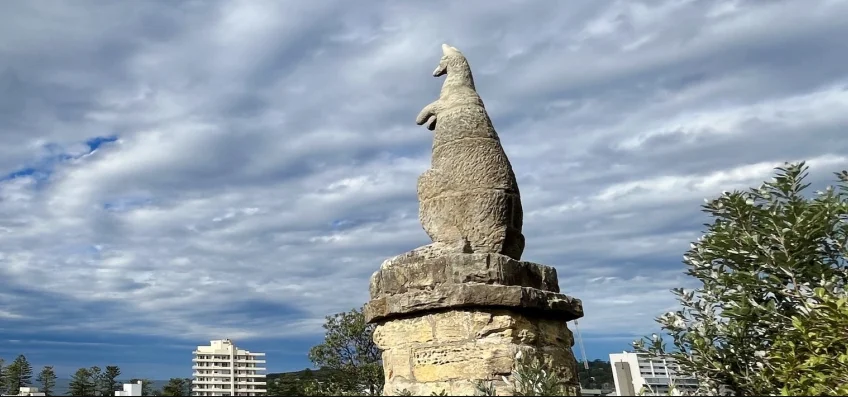
Read: Manly Landmark Damaged After Vandals Break 170-Year-Old Kangaroo Statue


Luxcon must now prepare a full Environmental Impact Statement covering design, traffic, flooding, heritage, groundwater, contamination, trees, social impact and affordable housing management. The SEARs remain valid for two years.

Published 26-May-2026